
Why Logging Every Trade Reduces Panic in Volatile 2026 Markets
Discover how systematic trade logging helps market participants manage emotional volatility, reduce panic, and build a repeatable process for memecoin success.


Logging every trade forces a shift from reactive emotional decisions to data-driven analysis, which significantly dampens the impulse to panic during high-volatility events. By documenting your thesis, emotional state, and exit criteria, you transform raw market noise into a structured feedback loop that highlights your behavioral patterns.
The Psychology of the 2026 Market
The digital asset landscape in 2026 has evolved into an environment where price fluctuations occur with greater intensity and frequency, often devoid of clear catalyst events. For those navigating the memecoin sector, this means the market can move against you without warning. When prices whip around, the natural human reaction is to succumb to fear or greed. This is where the panic begins. Panic is rarely the result of the market itself; it is the result of entering a trade without a defined structure or a pre-planned exit strategy.
When you do not have a log, you are trading in a vacuum. You feel every tick of the chart, and without a record to ground you, your brain creates a narrative of loss or missed opportunity. Logging is not just about keeping a spreadsheet; it is an act of psychological containment. It forces you to pause and articulate why you are entering a position before you click the button.
Why Your Journal is Your Best Defense
Most participants fail because they treat every trade as a standalone event. In reality, your trading is a series of behavioral outputs. If you are losing money, it is rarely due to a lack of signals; it is usually due to a lack of discipline. A trade journal serves as a mirror, showing you the moments where your emotions hijacked your logic.
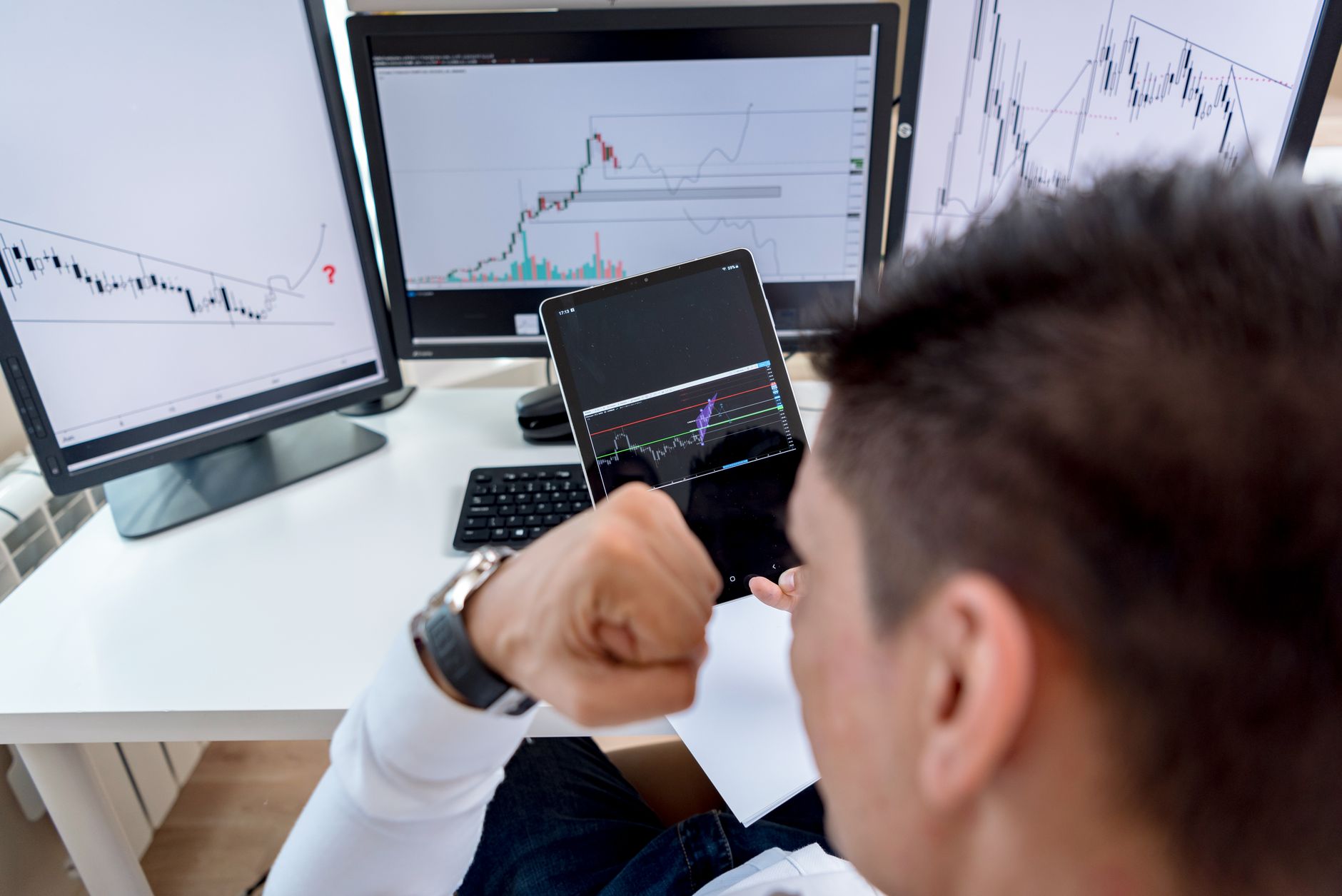
When you log your trades, you are essentially offloading your cognitive burden. Instead of trying to hold your thesis, your risk parameters, and your exit strategy in your head while the chart moves, you put it on paper. This documentation acts as a circuit breaker for impulsive behavior.
Practical Logging Framework
To effectively reduce panic, your journal should capture more than just entry and exit prices. Focus on the following fields for every position:
- Thesis: Why am I taking this trade? (e.g., liquidity shift, on-chain signal, trend breakout).
- Size: How much of my portfolio is this? Is it within my comfort zone?
- Emotion: How do I feel right now? (e.g., anxious, confident, FOMO, bored).
- Exit Rule: At what point do I invalidate my thesis and exit for a loss?
- Outcome: Did the trade play out as expected? If not, why?
- Lesson: What one thing could I have done differently?
1. Pre-trade documentation
Before executing, write down your thesis and your exit point. If you cannot justify the trade in two sentences, you are not ready to enter.
2. Emotional check-in
Be honest about your state of mind. If you feel FOMO, log it. Recognizing that you are making an emotional trade is the first step toward stopping the cycle of panic.
3. Post-trade reflection
Review your entries at the end of every week. Look for patterns where you exited too early due to fear or held too long due to hope.
FAQ
Does logging trades guarantee better market outcomes?
No. Logging trades is a tool for self-reflection and behavioral improvement, not a financial indicator. It does not change market volatility or the inherent risks of memecoin trading, but it helps you maintain a consistent, risk-aware process that prevents catastrophic emotional decisions.
What should I do if I feel panic while the market is crashing?
Refer back to your journal. If you have already defined your exit rules during a calm moment, you do not need to make a decision in the heat of the moment. Simply execute the plan you wrote when you were rational. If you did not have a plan, use the panic as a signal to step back and re-evaluate your risk management protocols.
A Note on Risk
Trading in volatile markets involves a high degree of risk, including the loss of your entire principal. The information provided here is for educational purposes only and does not constitute financial advice. Always conduct your own research and never trade money that you cannot afford to lose. The market is inherently unpredictable, and past performance is never a guarantee of future results.
Related posts in Memecoin Market Analysis
- Memecoin Market Analysis
Revenge Trading: How a Capital Collapse Redefined My 2026 Strategy
Learn how the 2026 Solana memecoin market crash destroyed capital through revenge trading. Discover how to build a disciplined journaling process today.
Memelogs
- Memecoin Market Analysis
Tracking Bitcoin News Trends 2026: A Global Market Strategy for Investors
Learn how to navigate the 2026 cryptocurrency market by tracking Bitcoin news trends and monitoring Solana memecoin volatility with a disciplined journal.
Memelogs
- Memecoin Market Analysis
How Revenge Trading Destroyed a Green Week: A 2026 Journal Breakdown
Discover how emotional volatility and revenge trading can wipe out gains. Learn to analyze your trading process and keep your psychological edge in 2026.
Memelogs