
Revenge Trading: How a Capital Collapse Redefined My 2026 Strategy
Learn how the 2026 Solana memecoin market crash destroyed capital through revenge trading. Discover how to build a disciplined journaling process today.

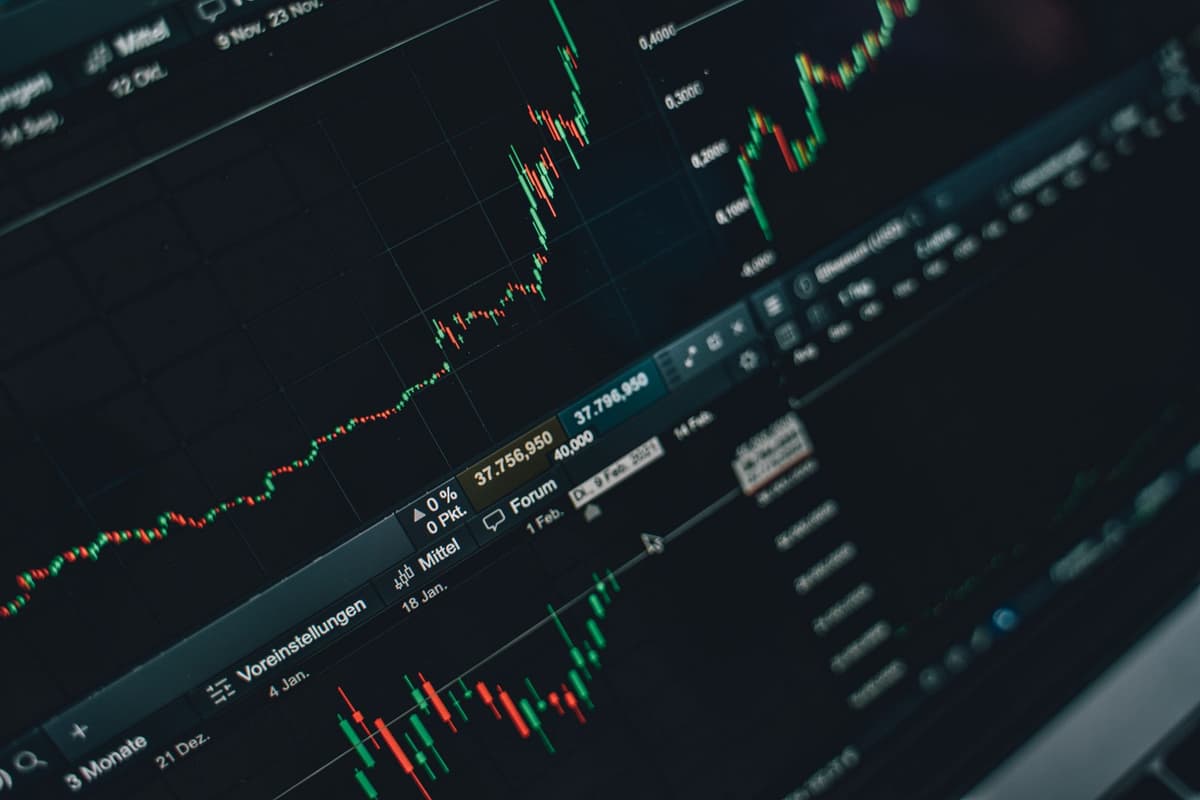
Revenge trading is the psychological compulsion to recover losses immediately by increasing risk, which often leads to total capital erosion during high-volatility market cycles. By systematically documenting the emotional state and the initial thesis of every trade, market participants can interrupt this cycle and protect their remaining liquidity from rapid depletion.
The Anatomy of a Collapse
In 2026, the Solana ecosystem became the global epicenter of memetic financialization. With sophisticated AI agents and high-speed infrastructure, the market moved at a pace that left many retail participants struggling to keep up. When the market shift occurred, the speed of the drawdown caught many by surprise. The primary driver of total capital loss was not just the market correction itself, but the behavioral response: the attempt to 'win back' what was lost.
Revenge trading happens when the ego refuses to accept a realized loss. Instead of stepping away, the participant enters a state of hyper-fixation. In 2026, this was exacerbated by the availability of high-speed trading tools that allowed for instant, emotional execution. The result was a cascading series of trades where the logic was detached from market reality and tethered entirely to the need for emotional recovery.
The Journaling Process as a Circuit Breaker
To survive in a high-speed environment, one must treat the trading journal as a defensive tool rather than a record of profits. A journal is not just about logging entries and exits; it is a diagnostic instrument for your own psychology.
1. Thesis Definition
Before executing, write down exactly why you are entering. If you cannot explain the move in one sentence, you are gambling, not trading. A strong thesis should include the market context, not just the price action.
2. Emotional Baseline
Rate your emotional state on a scale of 1 to 10 before clicking buy. If you are angry, stressed, or desperate to recover previous losses, do not trade. Your emotional state is a leading indicator of your risk profile.
3. Pre-defined Exit Rules
Write your exit conditions before the trade is active. This includes both your profit target and your hard stop-loss. Once the trade is live, the rules are immutable.
4. Post-Trade Reflection
After the trade closes, record the outcome and, most importantly, the lesson. Did you follow the plan? Did you tilt? If you deviated from your rules, identify the exact moment the emotional shift occurred.
FAQ
How does the current Solana inflation model affect trading risks?
The Solana network faces an annual inflation rate of approximately 4-5.5% without a native fee-burning mechanism. This creates a challenging environment where high transaction volume does not necessarily translate to deflationary pressure, meaning that capital can be diluted or liquidity can shift rapidly during market downturns.
Can high-speed trading tools prevent emotional mistakes?
No. While advanced tools like trading bots can execute faster than a human, they do not manage the psychological impulses of the user. In fact, the ability to execute trades instantly can actually accelerate the speed at which a user drains their account when they are in a state of revenge trading.
Risk Disclaimer
Trading volatile digital assets involves significant risk of loss. The market conditions described reflect high-volatility environments that can lead to the total loss of invested capital. This content is for educational purposes only and does not constitute financial advice. Always perform your own research and never risk capital that you cannot afford to lose entirely. Past performance in decentralized markets is not indicative of future results.
Developing a Journal Template
To maintain discipline, use the following structure for every trade entry:
- Date and Time: Keep a strict timestamp.
- Initial Thesis: Why is this entry valid?
- Position Size: Ensure it aligns with your total risk tolerance.
- Emotional State: (Calm/Excited/Anxious/Angry).
- Exit Rule: Where is the stop-loss and the take-profit?
- Actual Outcome: Did you follow your exit rule?
- Lesson Learned: One sentence on how to improve the process for the next trade.
Related posts in Memecoin Market Analysis
- Memecoin Market Analysis
Why Logging Every Trade Reduces Panic in Volatile 2026 Markets
Discover how systematic trade logging helps market participants manage emotional volatility, reduce panic, and build a repeatable process for memecoin success.
Memelogs
- Memecoin Market Analysis
Tracking Bitcoin News Trends 2026: A Global Market Strategy for Investors
Learn how to navigate the 2026 cryptocurrency market by tracking Bitcoin news trends and monitoring Solana memecoin volatility with a disciplined journal.
Memelogs
- Memecoin Market Analysis
How Revenge Trading Destroyed a Green Week: A 2026 Journal Breakdown
Discover how emotional volatility and revenge trading can wipe out gains. Learn to analyze your trading process and keep your psychological edge in 2026.
Memelogs