
How Revenge Trading Destroyed a Green Week: A 2026 Journal Breakdown
Discover how emotional volatility and revenge trading can wipe out gains. Learn to analyze your trading process and keep your psychological edge in 2026.

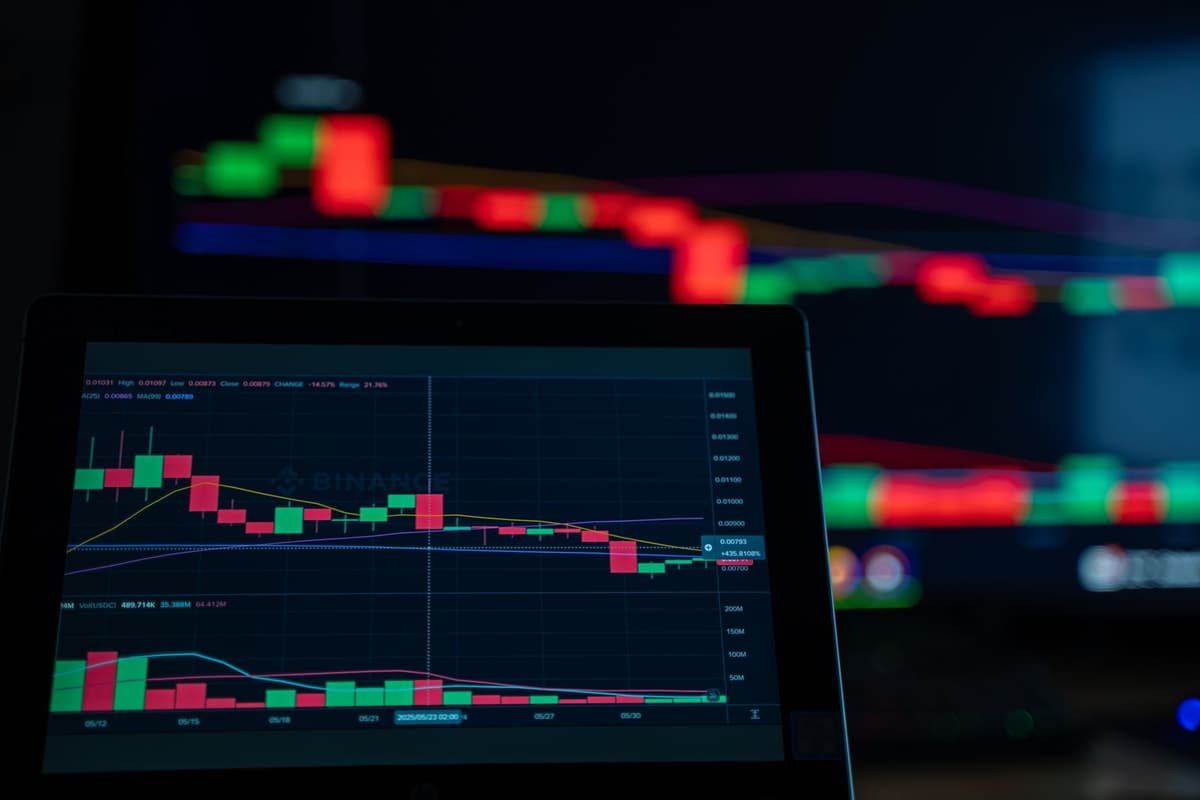
Revenge trading occurs when a market participant attempts to immediately recover losses following a drawdown, often leading to impulsive decisions that ignore market structure. By maintaining a disciplined journal that tracks emotional states alongside technical outcomes, you can identify the specific triggers that lead to these destructive cycles and protect your capital.
The Anatomy of a Destroyed Week
It was mid-2026, and the Solana ecosystem was navigating a period of intense volatility. After a string of successful trades earlier in the week, I felt a sense of invincibility. Then, a sudden market dip hit. Instead of stepping away, I felt the urge to 'make it back' instantly. This is the classic trap of revenge trading—a psychological response to loss that prioritizes the ego over the evidence.
When the market crashed to $140, liquidity tightened and volatility spiked. My attempt to scalp the recovery led to a series of rapid-fire entries that ignored the broader structural weakness. What started as a profitable week turned into a net loss within two hours. The journal entry from that day remains a stark reminder: the market does not owe you a recovery, and your emotional state is often your greatest risk factor.
Why the 2026 Market Demands Discipline
In 2026, the landscape for on-chain assets has shifted. With the memecoin market facing significant pressure and a total market value that once hit $6.7 billion now struggling to maintain stability, the days of 'easy' momentum are behind us. Infrastructure upgrades are currently the primary focus for network longevity, meaning price action is less about sentiment and more about genuine utility and institutional participation.
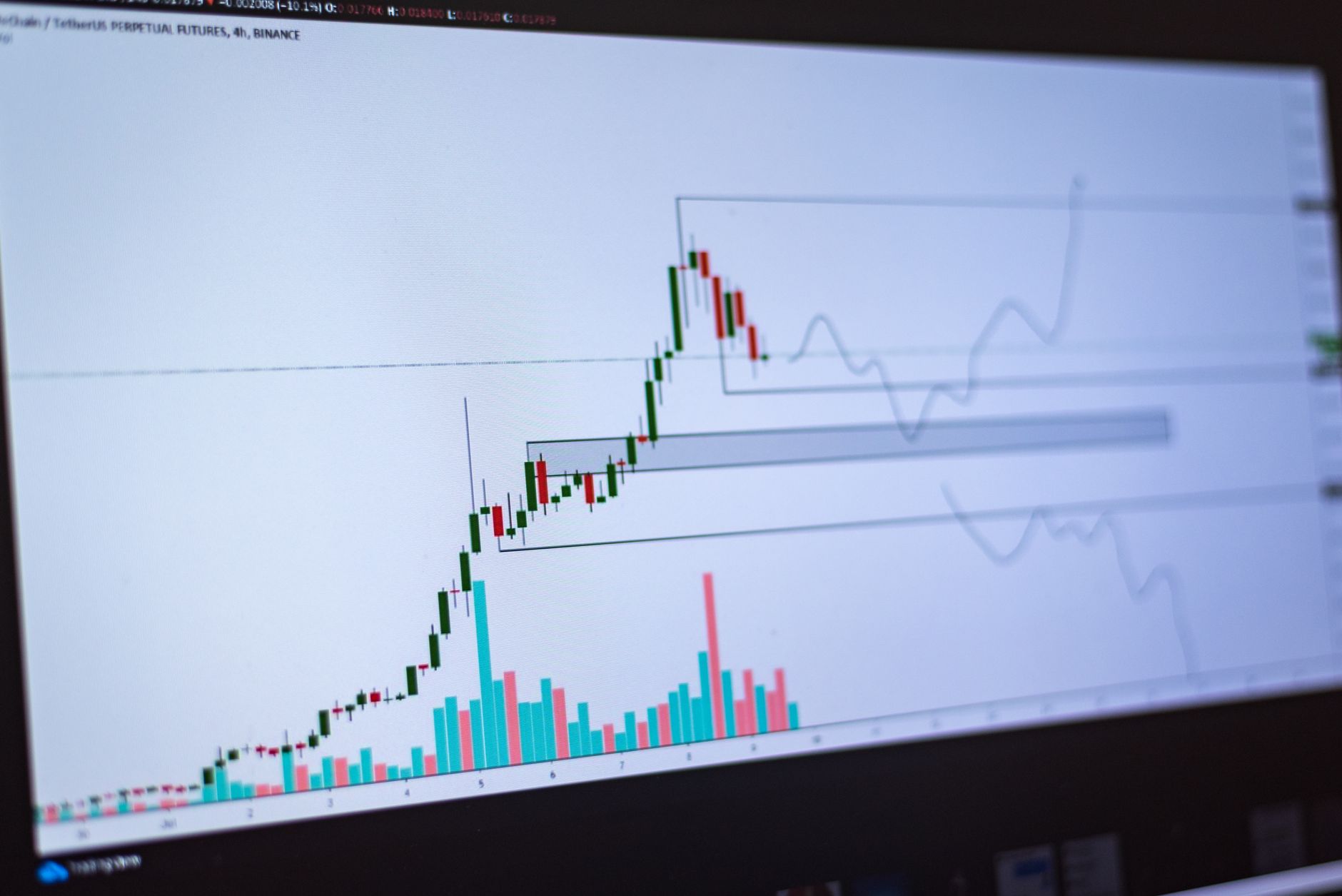
When you trade in a fragile market, your process must be bulletproof. A journal is not just a ledger of wins and losses; it is a diagnostic tool for your behavioral health. If you are not logging your emotional state at the time of entry, you are missing the most important variable in your performance.
The Journaling Framework
To move beyond simple tracking, use this structure for every significant position you take. This template helps bridge the gap between your intent and your execution.
1. The Thesis
Clearly define why you are entering. Is this based on a specific liquidity level, a technical breakout, or a fundamental shift in the project? If you cannot write it in one sentence, you do not have a trade.
2. The Size
Note your position size relative to your total account risk. Never increase size to compensate for a previous loss.
3. The Emotional State
Be honest. Were you calm, anxious, bored, or angry? If you feel a 'need' to trade, that is a red flag.
4. The Exit Rule
Define your invalidation point before you enter. If the market hits this price, you exit without question.
5. The Outcome and Lesson
Write down exactly what happened vs. what you expected. If the trade was a loss, did you follow your plan? If you deviated, why?
FAQ
How can I distinguish between a bad market environment and a bad trading decision?
If your journal shows that you followed your thesis and exit rules but were stopped out by volatility, that is a market reality. If your journal shows that you entered outside of your setup or ignored your stop-loss because you were frustrated, that is a decision-making error.
What should I do immediately after a significant loss to prevent revenge trading?
Close your terminal. The most effective way to prevent revenge trading is to enforce a mandatory 'cool-down' period. Step away from the screen until you can analyze the loss with the same detachment you would use for a trade that went well.
Risk Disclaimer
Trading crypto assets involves a high level of risk and may not be suitable for all participants. The market environment in 2026 is characterized by extreme volatility, liquidity challenges, and potential for significant financial loss. This content is for educational purposes only and does not constitute financial advice. Always perform your own research and never risk capital that you cannot afford to lose. Past performance is not indicative of future results.
Related posts in Memecoin Market Analysis
- Memecoin Market Analysis
Tracking Bitcoin News Trends 2026: A Global Market Strategy for Investors
Learn how to navigate the 2026 cryptocurrency market by tracking Bitcoin news trends and monitoring Solana memecoin volatility with a disciplined journal.
Memelogs
- Memecoin Market Analysis
On-Chain Tracking: Mastering Sol Scanner for Memecoin Analysis in 2026
Master memecoin analysis on Solana by using Sol Scanner effectively. Learn to track whale behavior, manage risk, and journal your process for better outcomes.
Memelogs
- Memecoin Market Analysis
Solana Seeker Review 2026: A Reality Check for Memecoin Market Participants
Is the Solana Seeker worth the investment for memecoin participants? We analyze the 2026 hardware landscape, emotional discipline, and essential logging habits.