
Revenge Trading: How One Bad Day Destroyed My Memecoin Portfolio in 2026
Revenge trading is the silent portfolio killer. Learn how to identify the emotional trigger and use a structured journal to protect your capital from impulse.

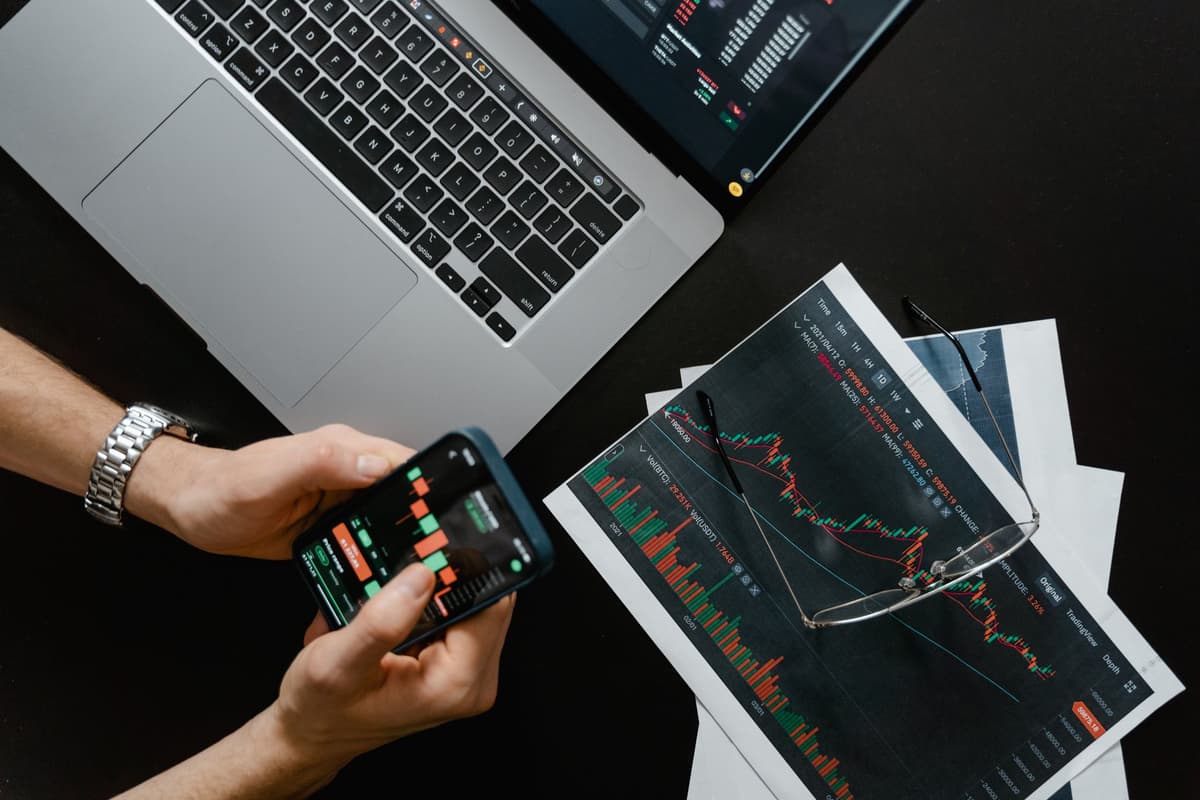
Revenge trading is an impulsive attempt to recover losses immediately after a failed position, usually by increasing risk or entering low-conviction trades. It destroys portfolios by replacing objective data analysis with emotional desperation, leading to a rapid depletion of capital that often exceeds the initial loss.
The Anatomy of a Total Loss
In early 2026, the memecoin market on Solana reached a fever pitch, with daily trading volumes crossing the billion-dollar mark. The accessibility of tools like PumpSwap and various automated bots created a false sense of security. I felt like I had mastered the market. Then came the 'Red Tuesday.'
It started with a single failed scalp on a low-cap token. Instead of walking away, I felt an intense need to 'make it back' before the end of the day. This is the moment the process broke. I skipped my usual due diligence, ignored the social signal requirements I had previously set for myself, and doubled my position size on a token with zero community backing. When that plummeted, the spiral began. I increased leverage, ignored my exit rules, and by midnight, my portfolio was down 80%.
The Psychology of the Spiral
Revenge trading is not about the market; it is about the ego. When we lose, we interpret it as a personal failure rather than a statistical outcome of a high-risk environment. The desire to 'fix' the mistake is a cognitive bias that blinds us to the reality of the asset's volatility.
I realized that my biggest mistake wasn't the initial loss—it was the decision to stay in front of the screen after the first emotional spike. When you feel that visceral tug to click 'buy' just to reclaim a previous balance, you are no longer operating as a participant in the market. You are gambling against your own nervous system.
The Journaling Defense
A journal is not just a spreadsheet of numbers; it is a circuit breaker for your emotions. If you aren't logging your mental state, you are trading blind. My journal entries were previously just timestamps and profit/loss figures. That wasn't enough. I had to evolve my logging to include the 'why' and the 'how' of my feelings.

1. The Pre-Trade Thesis
Define exactly why you are entering before the funds leave your wallet. If you can't write it in one sentence, you don't have a thesis.
2. The Emotional Check
Rate your mental state from 1 to 10. If you are frustrated, tired, or angry, your 'trading' is actually a high-stakes distraction.
3. The Hard Exit Rule
Pre-determine your stop-loss and take-profit levels based on technical levels or social volume, not on how much money you want to make.
4. The Post-Trade Review
Compare the outcome to your original thesis. Did you exit because the thesis failed, or because you got scared? This distinction is the difference between a professional and a gambler.
Practical Journaling Template
Use this structure for every entry to maintain discipline:
- Date and Time: Keep track of market peak hours.
- Token Ticker: Focus on the specific asset and its current liquidity.
- Thesis: What is the catalyst? (e.g., social momentum, technical breakout).
- Position Size: Ensure it aligns with your risk management plan.
- Emotional State: Be honest. Were you calm, excited, or desperate?
- Exit Reason: Did you hit your target, your stop, or did you panic?
- Outcome: The final profit or loss percentage.
- The Lesson: One thing you would do differently next time.
FAQ
What is the most effective way to stop revenge trading?
The most effective method is to enforce a 'cooling-off period' after a loss. If you lose more than a set percentage of your daily limit, you must close your trading application and step away from the screen for at least 24 hours. The market will still be there tomorrow; your capital might not be if you continue.
How can I tell if a memecoin trade is based on data or emotion?
Data-driven trades are based on pre-defined criteria, such as social follower counts, telegram activity, or specific price action setups. Emotional trades are characterized by urgency, a desire to 'win' back money, and a lack of a clear exit strategy. If you cannot explain why you are entering without mentioning your previous losses, it is an emotional trade.
Risk Disclaimer
Memecoin trading involves extreme volatility and high risk of capital loss. The information provided here is for educational purposes only and does not constitute financial advice. Always perform your own research and never trade with money you cannot afford to lose. The market conditions mentioned are reflective of the 2026 landscape and may not a guarantee of future performance.
Related posts in Memecoin Market Analysis
- Memecoin Market Analysis
How Revenge Trading Destroyed a Green Week: A 2026 Memecoin Market Analysis
Discover how emotional volatility and revenge trading erased a profitable week in 2026. Learn to build a disciplined journal process to protect your capital.
Memelogs
- Memecoin Market Analysis
ETH to USD 2026: Market Cycles and the Emotional Cost of Memecoin Volatility
Navigating ETH to USD trends in 2026 requires understanding the interplay between Ethereum stability and memecoin momentum. Learn to journal your process.
Memelogs
- Memecoin Market Analysis
On-Chain Tracking Guide: Mastering Sol Scanner for Crypto Analysis 2026
Master on-chain analysis for Solana meme coins. Learn to verify contracts, assess liquidity, and journal your trades to navigate market volatility in 2026.