
Memecoin Trading in 2026: The Critical Difference Between a Plan and a Story
Learn how to distinguish between a structured memecoin trading plan and the post-trade narratives that cloud your judgment in the volatile 2026 market.

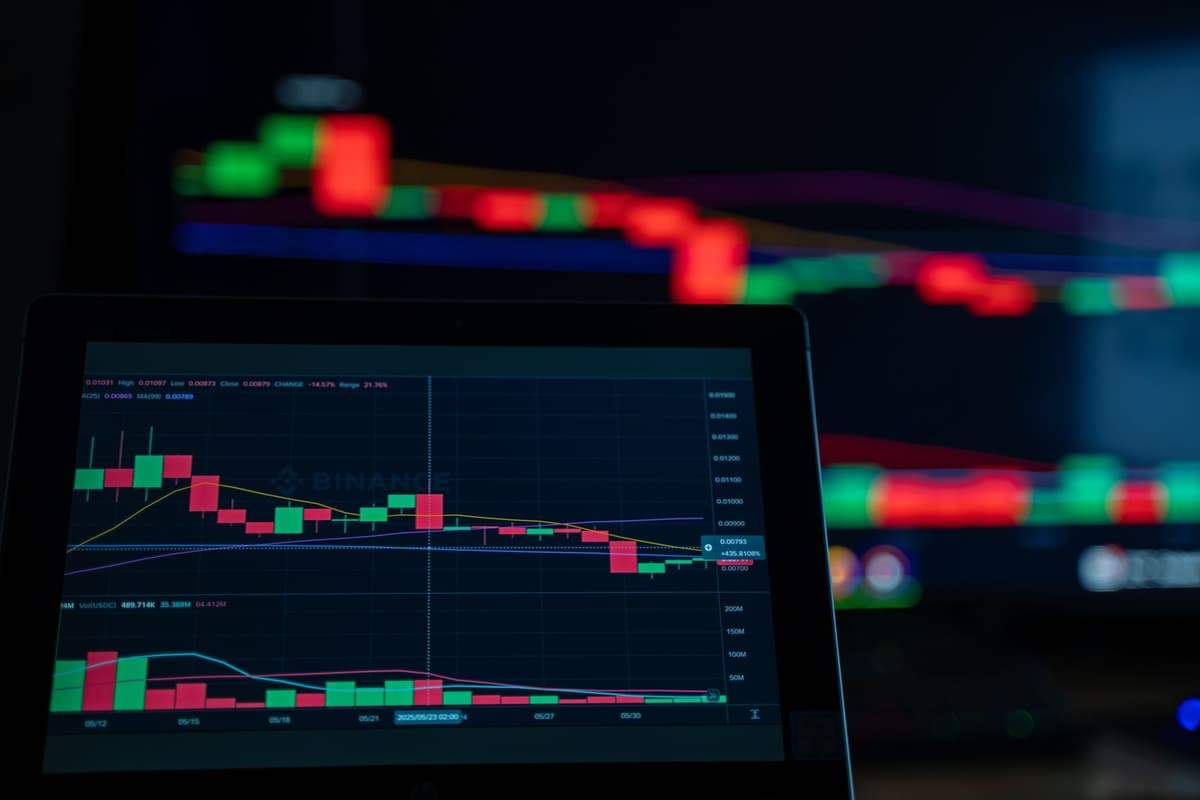
A trading plan is a pre-defined set of rules governing your entries, risk management, and exits based on objective market signals. A story is the retrospective narrative you construct after a trade to justify emotional decisions or rationalize losses, which often prevents you from learning the necessary lessons for sustainable growth.
The Psychology of the Post-Trade Narrative
In the high-speed environment of the 2026 Solana ecosystem, the speed of execution often outpaces our ability to process the outcome. When a trade goes well, we call it genius. When it goes poorly, we call it bad luck or a "rigged" market. This is the story, and it is the greatest enemy of the disciplined market participant.
By mid-2026, the complexity of memecoin markets—driven by sophisticated AI agents and rapid community sentiment shifts—has made it harder than ever to distinguish between skill and noise. If you find yourself explaining why a token "should have pumped" despite the chart showing a clear breakdown, you are telling yourself a story. A plan, by contrast, is silent. It dictates the exit before the trade is even initiated.
Why Your Journal Matters More Than Your PnL
Most participants track only their balance. In 2026, the most successful individuals track their decision-making process. The goal of a journal is not to capture a highlight reel, but to document the gap between your intended strategy and your actual behavior.
When you log a trade, you are essentially creating a witness for your future self. If your plan required an exit at a 20% loss but you held until a 60% loss, the journal entry forces you to confront that deviation. Without this log, the brain naturally rewrites the history of the trade to protect your ego, turning a failure of discipline into a "long-term conviction play."
FAQ
How can I tell if I am following a plan or just gambling?
If you cannot articulate your entry criteria and your exact exit point before you press the buy button, you are gambling. A plan exists independently of the current price action, whereas a gamble is reactive to the movement of the candle.
What should I do if my emotion is high during a trade?
High emotion is a signal that your position size exceeds your risk tolerance or that you are over-leveraged. The best practice is to immediately scale down your position to a size that allows you to observe the market objectively rather than emotionally.
The Anatomy of an Objective Journal Entry
To move from narrative to process, use a structured template for every transaction. Do not rely on memory; fill this out while the trade is live or immediately after.
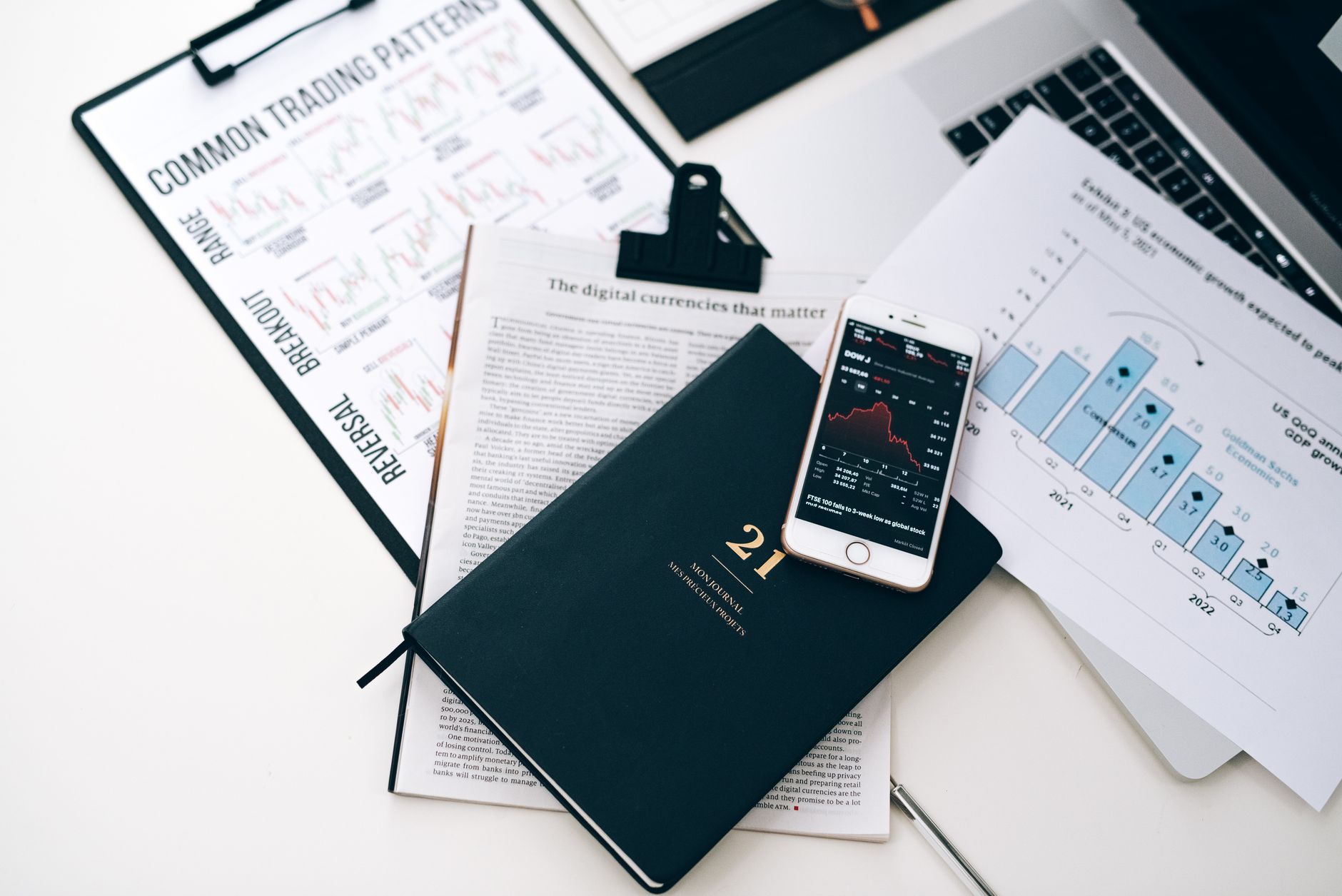
1. Thesis: What is the specific market catalyst or liquidity trend I am betting on?
2. Size: What percentage of my liquid portfolio is this, and is it within my risk parameters?
3. Emotion: On a scale of 1-10, how much anxiety or excitement am I feeling right now?
4. Exit Rule: What is the specific price or time-based trigger that forces me out, regardless of what I 'feel' or 'hope' will happen?
5. Outcome: What was the objective result of the trade?
6. Lesson: What specific behavior did I exhibit that either aligned with or violated my plan?
Risk Awareness and Market Reality
Trading memecoins on Solana involves extreme volatility and the constant risk of total capital loss. The infrastructure is fast, but the assets are inherently speculative. No amount of journaling or planning can eliminate the risk of liquidity evaporation or project failure.
This content is for educational purposes and does not constitute financial advice. All market participants should conduct their own research and never allocate funds they cannot afford to lose. The 2026 market is a high-stakes environment; treat your capital with the caution it deserves and your process with the rigor it requires. Remember that in a market characterized by rapid rotation and meme-cycle shifts, your greatest asset is not a "winning" token, but your ability to remain rational when the rest of the market is irrational.
Related posts in Memecoin Market Analysis
- Memecoin Market Analysis
Solana Seeker Review 2026: Evaluating the Web3 Phone for Market Participants
Is the Solana Seeker worth your capital? We analyze the performance, security features, and practical utility of this Web3-native device for your workflow.
Memelogs
- Memecoin Market Analysis
Why Logging Every Trade Reduces Panic in the 2026 Memecoin Market
Discover how systematic trade journaling stabilizes your decision-making, mitigates emotional panic, and builds a sustainable process in volatile markets.
Memelogs
- Memecoin Market Analysis
On-Chain Tracking Guide: Mastering Sol Scanner for Memecoin Analysis 2026
Master memecoin analysis on Solana in 2026. Learn how to use Sol Scanner to track wallets, verify liquidity, and refine your trading journal for better results.