
Why Logging Every Trade Reduces Bias in the 2026 Memecoin Market
Discover how systematic trade logging on Solana mitigates cognitive bias. Learn to identify patterns and refine your decision-making in volatile market…

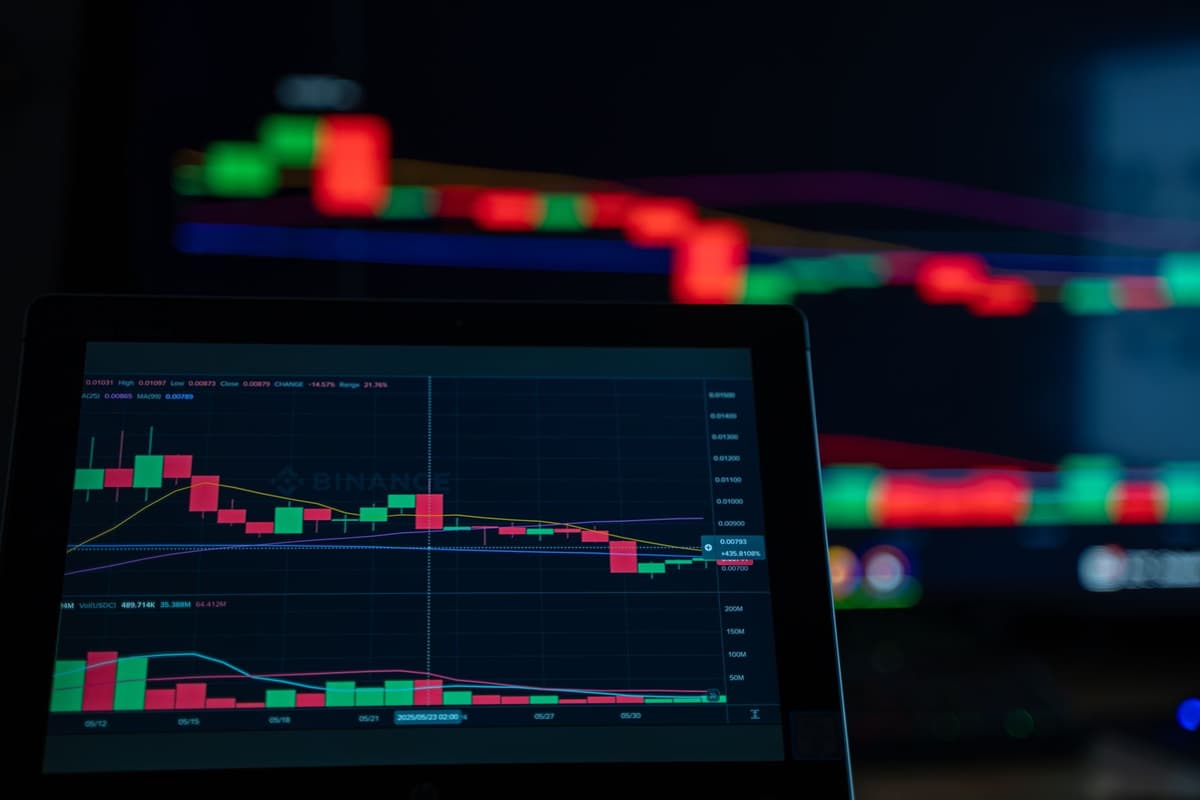
Logging every trade acts as a mirror for your decision-making process, forcing you to confront the gap between your initial thesis and your emotional reaction. By documenting the 'why' behind each entry and exit, you transform subjective impulses into objective data, which is the only way to navigate the high-frequency volatility of the 2026 memecoin landscape.
The Psychology of the Ledger
In 2026, the Solana ecosystem remains a high-octane environment where sentiment shifts rapidly. With trading volume reaching yearly lows and negative sentiment hitting new peaks, the temptation to chase 'moonshots' based on social media noise is at an all-time high. When you trade without a log, you are essentially trading in the dark.
Most participants fail because they rely on memory, which is notoriously selective. We tend to remember our 200x wins while burying the memory of the three consecutive rug pulls that wiped out our gains. A structured log removes this selective amnesia. It forces you to write down your thesis before you click 'buy.' When you look back at your entries, you often find that your 'thesis' was actually just a feeling of FOMO or a reaction to a hyped launch.
Why Process Beats Profit
In a market where rug pulls and liquidity cycles follow predictable but fast-moving patterns, the goal of logging is not to track your balance, but to track your process. Did you enter because of a technical signal, or because you saw a post on social media? Did you exit because your profit target was hit, or because you panicked when the price dipped 5%?
By documenting your emotional state—whether you felt anxious, confident, or bored—you begin to see patterns in your behavior. Perhaps you notice that you consistently lose money on Mondays, or that you tend to over-leverage when the broader SOL market is pulling back. These insights are invisible until they are written down.
Practical Trade Journaling Template
Use this framework to standardize your entries. Consistency is more important than complexity.
- Thesis: Why am I entering this position? (e.g., 'Anticipating a liquidity cycle based on previous Monday launches')
- Size: What percentage of my active capital is this?
- Emotion: How do I feel right now? (e.g., 'Anxious about missing out')
- Exit Rule: At what point will I invalidate this trade?
- Outcome: Did I follow my plan?
- Lesson: What is one thing I would do differently next time?
FAQ
Does logging trades actually prevent losses in the memecoin market?
Logging does not prevent the inherent risk of market volatility or the possibility of a rug pull. However, it prevents 'compounding errors,' where you repeat the same mistake—such as entering too late or failing to set a stop-loss—because you weren't aware you were making it in the first place.
How do I handle the emotional toll of tracking my losses?
It is common to feel shame when recording a loss, but you must shift your mindset to view the entry as a 'data point' rather than a 'failure.' Treat your journal as a research document for a professional entity. If you cannot look at a losing trade objectively, you are likely over-exposed.
1. Define your thesis before execution
Never enter a position without writing down the specific reason. If you cannot articulate it in one sentence, you are gambling, not participating in the market.
2. Record the emotional state
Be honest about your feelings. If you are angry or desperate, your decision-making is compromised. Acknowledging this in your log is the first step toward detaching emotion from your capital.
3. Review weekly, not daily
Step back once a week to look at your logs. Look for trends in your mistakes. Are you consistently exiting too early? Are you ignoring your own exit rules? The data will show you the truth.
Risk Disclaimer
This content is for educational purposes only and does not constitute financial advice. Memecoin trading involves extreme risk, including the total loss of principal. Market conditions in 2026 are highly volatile, and past performance is never indicative of future results. Always conduct your own research and never trade with capital you cannot afford to lose.
Related posts in Memecoin Market Analysis
- Memecoin Market Analysis
Revenge Trading: How Emotional Volatility Destroyed Capital in the 2026 Memecoin Market
Discover how revenge trading led to significant capital losses in the 2026 Solana memecoin market and learn how to build a disciplined journaling process.
Memelogs
- Memecoin Market Analysis
Why Logging Every Trade Is the Best Cure for Memecoin FOMO in 2026
Discover why logging every trade is the ultimate tool to combat FOMO. Learn how structured reflection helps market participants maintain discipline in 2026.
Memelogs
- Memecoin Market Analysis
Bitcoin News Trends 2026: Navigating Global Market Shifts and Memecoin Volatility
Track Bitcoin news trends in 2026 to refine your market strategy. Learn how global shifts, Solana sentiment, and institutional outlooks impact your portfolio.