
Revenge Trading: How Emotional Volatility Destroyed Capital in the 2026 Memecoin Market
Discover how revenge trading led to significant capital losses in the 2026 Solana memecoin market and learn how to build a disciplined journaling process.

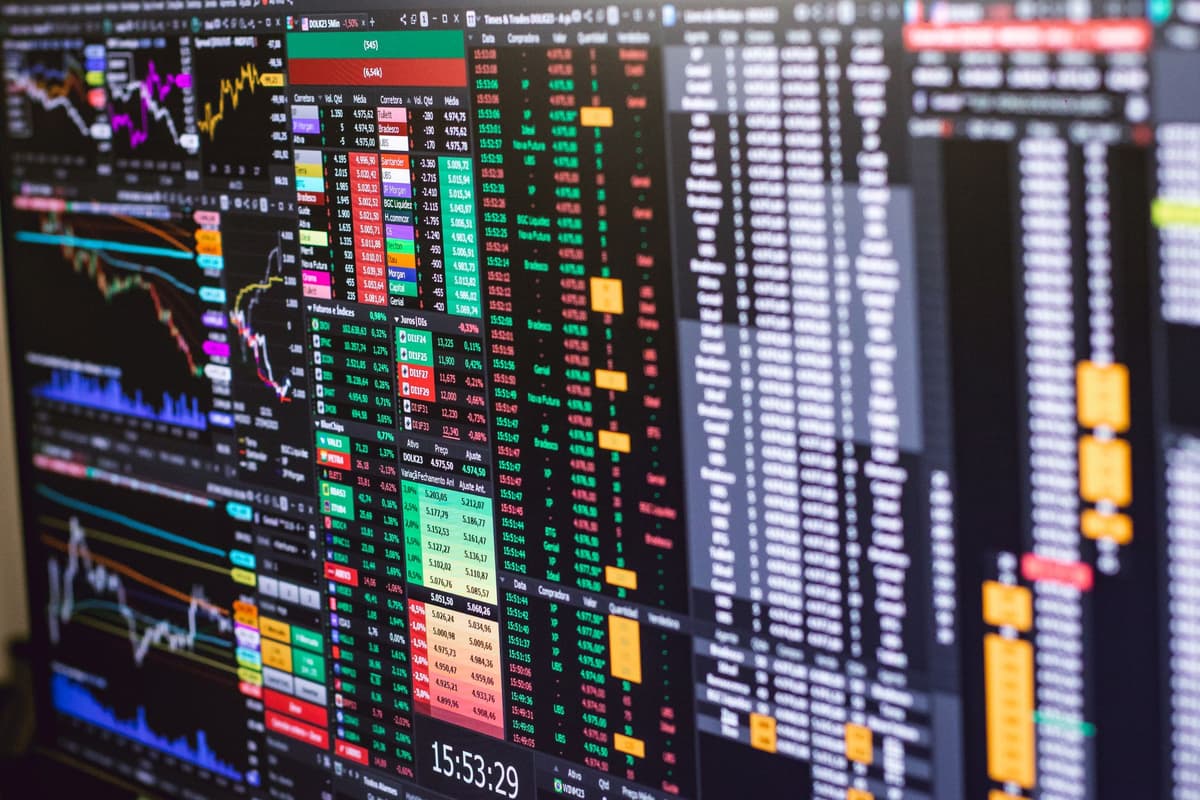
Revenge trading is the reactive impulse to recover losses immediately after a failed position, often resulting in aggressive, high-risk bets that disregard market structure. This emotional cycle was a primary driver of the capital erosion seen during the 2026 Solana memecoin volatility, where participants abandoned risk management in a frantic attempt to break even.
The Anatomy of a Wipeout
In early 2026, the Solana ecosystem transformed into a high-speed engine for cultural financialization. While sophisticated infrastructure and AI agents increased the velocity of capital, they also created a trap for the human participant. When the market experienced its mid-year correction, the psychological pressure to 'win back' lost funds led many to abandon their thesis-driven approaches.
Revenge trading is rarely about the chart; it is about the ego. When a participant suffers a loss, the brain shifts from a state of objective analysis to a state of defensive panic. In the 2026 market environment, where liquidity could evaporate in seconds, this panic manifested as doubling down on failing tokens or chasing high-volatility pumps without a plan. The result was not recovery, but a systematic degradation of the portfolio.
The Role of the Journal in Risk Mitigation
To survive in a volatile ecosystem, the journal must act as a barrier between impulse and execution. A journal is not just a spreadsheet of entries and exits; it is a clinical record of your decision-making process under pressure.
Why Emotional Logging Matters
Most participants track the PnL, but few track the 'why' behind the trade. If you do not record your emotional state before clicking execute, you cannot identify your triggers. If you feel a sense of urgency or anger, that is a signal to step away from the terminal. The 2026 market crash proved that those who traded with a clear, written thesis were far more likely to preserve capital than those who traded based on the fear of missing out or the frustration of prior losses.
1. Define your thesis before entry
2. Log the specific emotion you felt when entering
3. Note the exit rule applied (e.g., stop-loss hit or profit target reached)
4. Analyze the outcome against the original thesis
5. Write one actionable lesson learned from the session
FAQ
How does revenge trading affect long-term portfolio growth?
Revenge trading forces the participant to take suboptimal entries at market tops or during high-volatility spikes. This leads to a compounding effect where losses are realized faster than gains, eventually preventing the capital base from recovering when the market eventually stabilizes.
Can a journaling habit prevent market losses?
While a journal cannot predict market direction, it provides the necessary friction to prevent impulsive behavior. By forcing yourself to write down your reasoning and emotional state, you create a cooling-off period that often exposes the lack of logic in a revenge-driven trade.
Risk Disclosure
Memecoin markets are highly speculative and volatile. Participation involves a high risk of losing your entire principal. The information provided here is for educational purposes regarding market psychology and journaling habits only. It does not constitute financial advice, investment recommendations, or an endorsement of any specific token or trading strategy. Always perform your own research and never risk capital that you cannot afford to lose entirely.
Moving Forward with Process
If you find yourself in a cycle of revenge trading, the only logical step is to stop. Take a mandatory break from the market. Use the time to review your past logs. Look for patterns: at what time of day do you trade most impulsively? Which tokens trigger the strongest emotional response? By identifying these patterns, you turn a painful loss into a data point for future improvement. The 2026 market reset proved that while prices may fall, the fundamentals of disciplined, thesis-driven participation remain the only reliable way to navigate the decentralized frontier.
Related posts in Memecoin Market Analysis
- Memecoin Market Analysis
Why Logging Every Trade Reduces Bias in the 2026 Memecoin Market
Discover how systematic trade logging on Solana mitigates cognitive bias. Learn to identify patterns and refine your decision-making in volatile market…
Memelogs
- Memecoin Market Analysis
Why Logging Every Trade Is the Best Cure for Memecoin FOMO in 2026
Discover why logging every trade is the ultimate tool to combat FOMO. Learn how structured reflection helps market participants maintain discipline in 2026.
Memelogs
- Memecoin Market Analysis
Bitcoin News Trends 2026: Navigating Global Market Shifts and Memecoin Volatility
Track Bitcoin news trends in 2026 to refine your market strategy. Learn how global shifts, Solana sentiment, and institutional outlooks impact your portfolio.