
Memecoin Market Analysis: Decoding My 2026 Trading Loss Through Journaling
A deep dive into why keeping a trading journal is the only way to survive the 2026 Solana market volatility and learn from significant capital losses.

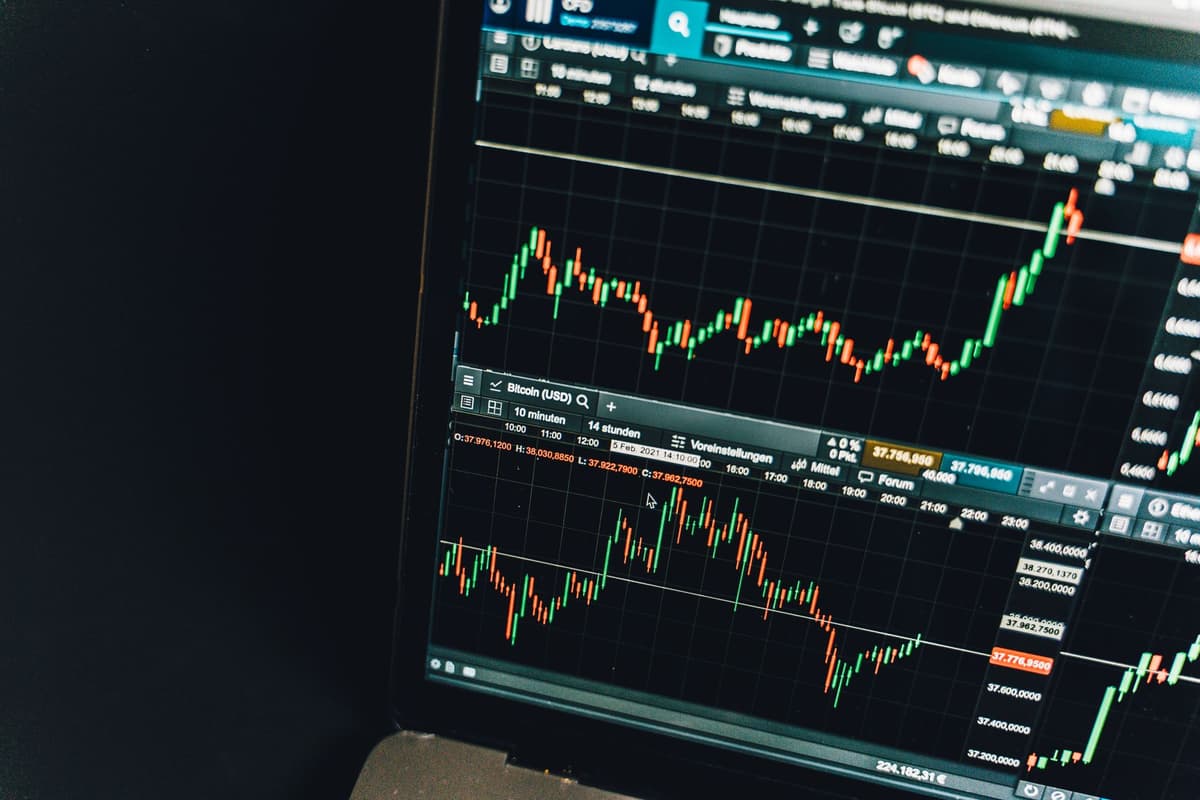
My recent capital loss during the 2026 Solana market contraction was not caused by a single bad entry, but by a failure to reconcile my thesis with the network's declining validator count and shifting stablecoin flows. By analyzing my post-mortem journal, I discovered that I prioritized momentum over fundamental stability, leading to an emotional inability to cut losses before the 68% correction from all-time highs materialized.
The Anatomy of a Loss
In early 2026, the market environment shifted rapidly. Solana, which had reached an all-time high of $295 in January, began a staggering 68% collapse. As a market participant, I watched as my portfolio eroded. It wasn't just the price action; the infrastructure was signaling distress, with validator counts plummeting from 2,500 to under 800. My journal, however, tells a different story about my behavior during those weeks.
Looking back at my logs, I see a clear pattern: I ignored the macro indicators in favor of the "memecoin pump" narrative. I was chasing quick-moving tokens while the underlying network was losing billions in market value. My entries were based on social media noise rather than the reality of the ecosystem's health. The loss wasn't just financial; it was a failure of process.
Why Your Journal is Your Best Defense
Most retail participants treat their journal as a history book—they record what happened after the fact. A true architectural insight for memecoin trading requires the journal to be a pre-flight checklist and a psychological mirror. When I reviewed my entries from the peak of the 2026 volatility, I noticed I had omitted the "Emotion" field entirely. I was trading in a vacuum, ignoring the fear and greed that were clearly dictating my decision to hold onto failing positions.
FAQ
How can I determine if a memecoin loss is a process error or a market event?
If your loss aligns with a broad systemic decline, such as the 68% drop in Solana’s valuation, it is a market event. However, if your journal shows you failed to respect your pre-defined exit rules despite these known macro risks, it is a process error.
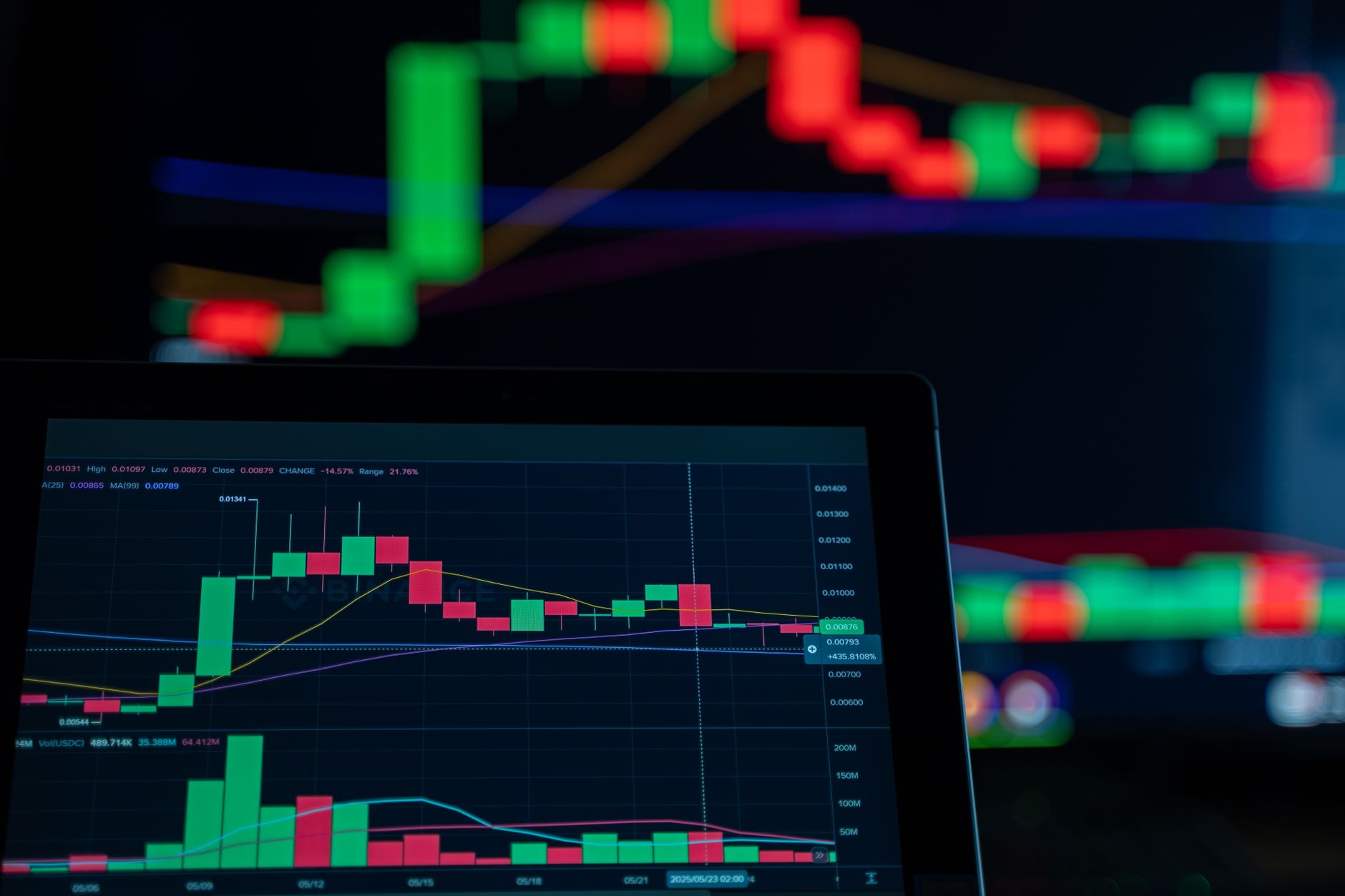
Should I stop trading memecoins when network validator counts drop?
While there is no fixed rule, a significant decline in validators, such as the drop from 2,500 to 800 observed in 2026, often indicates institutional de-risking. A prudent participant uses this data to tighten stop-losses or reduce exposure rather than attempting to catch a falling knife.
The Post-Mortem Template
To turn a loss into a lesson, you must dissect it immediately. Use this structure to log your trades:
1. The Thesis
Write down exactly why you are entering. Was it a technical breakout, a specific narrative, or just FOMO? If you cannot write it in one sentence, you do not have a thesis.
2. Risk Context
Note the current market state. Are stablecoin flows leaving the ecosystem? Is the network experiencing technical instability or validator churn? This grounds your trade in reality.
3. Emotional State
Be honest. Were you calm, anxious, or bored? Emotions are data points that often predict your tendency to overtrade or hold too long.
4. The Exit Plan
Define your exit before the trade starts. Do not change this rule when the price begins to move against you.
5. The Outcome and Lesson
After the trade closes, record the result. If it was a loss, identify the specific deviation from your plan. Did you let a small loss turn into a liquidation because you were unwilling to admit the thesis was wrong?
Managing Risk in Volatile Markets
Memecoin markets are inherently speculative, and historical data from 2025-2026 suggests that these assets often underperform broader benchmarks by significant margins. As investors race to de-risk, the volatility remains high. While analysts project potential long-term recovery targets, these are speculative and not guaranteed. Your survival depends on your ability to disconnect your identity from your account balance. If you are trading with capital you cannot afford to lose, your journal will only reflect your desperation. Prioritize capital preservation, maintain a strict logging habit, and always respect the market's ability to stay irrational longer than you can remain solvent.
Disclaimer: This content is for educational purposes only and does not constitute financial advice. Cryptocurrency trading involves extreme risk, including the total loss of principal. Always conduct your own research and consult with a professional financial advisor before making any investment decisions.
Related posts in Memecoin Market Analysis
- Memecoin Market Analysis
Solana Seeker 2026 Review: Assessing the Hardware for Serious Market Participants
The Solana Seeker is a purpose-built tool for digital ownership, not a get-rich-quick device. We analyze its role in your 2026 workflow and risk management.
Memelogs
- Memecoin Market Analysis
Winning in 2026: Why Your Best Memecoin Trades Are Your Biggest Risks
A win in the 2026 memecoin market can mask dangerous habits. Learn how to audit your success and build a sustainable journaling process to protect your capital.
Memelogs
- Memecoin Market Analysis
On-Chain Tracking Guide: Mastering Sol Scanner for Memecoin Analysis 2026
Master memecoin analysis on Solana in 2026. Learn to verify contract security, assess liquidity, and journal your market behavior to trade with discipline.