
How Revenge Trading Destroyed a Green Week: A 2026 Memecoin Journal Breakdown
Discover how emotional volatility in the 2026 Solana memecoin market turns profit into loss. Learn to audit your trading habits and stop the revenge cycle.

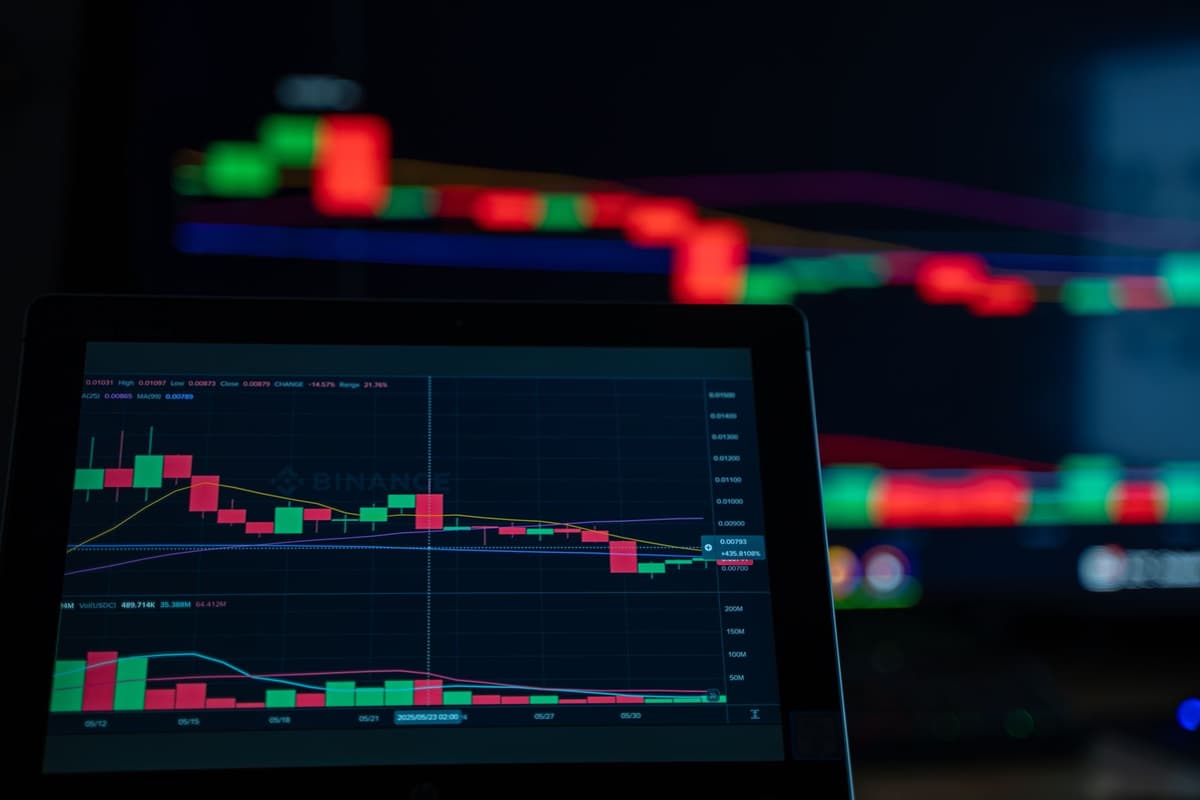
Revenge trading is the psychological reaction to a loss where a participant attempts to 'win back' funds through impulsive, high-risk entries. In the volatile 2026 Solana landscape, this behavior often compounds a single losing trade into a complete portfolio wipeout by bypassing established risk management rules.
The Anatomy of a Red Week
It was mid-2026. The Solana network was buzzing with activity, fueled by high-speed infrastructure and the rise of sophisticated AI agents. I had started the week with a string of clean wins, riding the momentum of the latest viral token launches. My sentiment was high, and my process felt automated. Then, the market shifted. A sudden downturn hit, and a position that I had held with too much conviction turned against me.
Instead of walking away, I felt the familiar tightening in my chest—the urge to 'fix' the mistake. I immediately opened a new position, larger than the last, without a clear thesis. I didn't care about the chart; I cared about the PnL. Within an hour, I had erased four days of progress. This is the silent killer of crypto accounts: the belief that the market owes you a recovery.
Psychological Triggers in 2026
In the current market environment, the speed of execution provided by tools like the Trojan trading bot makes it dangerously easy to enter a trade in seconds. However, speed is not a substitute for strategy. When we trade based on emotion, we ignore the broader market context, such as the fact that memecoin volumes hit 2026 highs while the underlying network price struggled to hold key support levels. Emotional trading blinds you to these macro realities.
FAQ
What is the most effective way to prevent revenge trading after a loss?
Implement a mandatory 'cool-down' period. If you lose more than a set percentage of your daily limit, you must step away from the terminal for at least two hours. This breaks the neurological feedback loop of frustration.
How can journaling help identify emotional patterns?
By logging your emotional state alongside your entry thesis, you can identify if you are 'bored,' 'frustrated,' or 'greedy.' If your journal shows that most losses occur after a previous loss, you have identified a clear behavioral pattern that can be managed with strict rules.
The Post-Trade Audit: A Practical Template
To stop the cycle of revenge, you must treat your journal as a diagnostic tool rather than a record of wins. When you review your day, use this structure to hold yourself accountable:
- Thesis: What specific signal or narrative triggered the entry?
- Size: Was the position size consistent with my risk parameters?
- Emotion: How did I feel before, during, and after the trade?
- Exit Rule: Did I exit based on the original plan, or did I panic?
- Outcome: What was the objective result?
- Lesson: What one change will I make to prevent this specific mistake tomorrow?
1. Analyze the Thesis
Before placing the trade, write down why you are buying. If you cannot explain the trade in one sentence, you are gambling, not trading. In the 2026 market, the 'why' should be grounded in the current liquidity or social sentiment trends, not just a hope for a rebound.
2. Define the Exit
Never enter a position without knowing where you will get out if you are wrong. In a fast-moving environment, automated stop-losses are your best defense against emotional decision-making. If you find yourself manually moving your stop-loss further away, you are engaging in revenge-style thinking.
3. Log the Emotional State
Be honest. If you were tired, tilted, or distracted, write it down. You will soon notice that your worst losses occur when your mental state is compromised. This data is more valuable than your entry price.
Risk Disclaimer
Trading memecoins involves extreme volatility and the potential for total loss of capital. The 2026 market environment is highly speculative and influenced by rapidly shifting community sentiment and technological developments. This content is for educational purposes only and does not constitute financial advice. Always perform your own research and never trade with money you cannot afford to lose.
Related posts in Memecoin Market Analysis
- Memecoin Market Analysis
Memecoin Wins: Why Your Best Trades Are Often Your Most Dangerous
A winning trade in the memecoin market often masks critical process errors. Learn how to journal post-win to refine your strategy and mitigate future risk.
Memelogs
- Memecoin Market Analysis
BTC, ETH, and the 2026 Shift: Navigating Market Uncertainty in Memecoin Trading
Navigating the 2026 crypto landscape requires more than just luck. Learn how to journal your trades and process BTC, ETH, and Solana volatility with logic.
Memelogs
- Memecoin Market Analysis
Dogecoin and SHIB Market Analysis: Navigating 2026 Consolidation
Analyzing the 2026 market landscape for Dogecoin and Shiba Inu. Learn how to refine your emotional discipline and journaling process amid memecoin uncertainty.