
Solana Liquidity 2026: Why Jupiter Dominates the On-Chain Flow
Solana liquidity has shifted toward aggregator dominance in 2026. Explore how Jupiter's 93.6% market share is reshaping memecoin trading and DEX activity.


Solana liquidity in 2026 is almost entirely funneled through Jupiter, which now commands a 93.6% market share of DEX activity. This centralization of flow is driven by sophisticated routing protocols that have allowed Solana to consistently outperform Ethereum in daily trading volume, fundamentally changing how memecoin participants access market depth.
The State of Solana Liquidity
The market narrative for Solana in 2026 has transitioned from a fragmented landscape of competing decentralized exchanges to a centralized aggregation model. While social sentiment often fixates on the latest viral token launch, the underlying on-chain data tells a more structural story. Jupiter has effectively become the operating system for Solana liquidity, processing nearly three-quarters of all weekly trading volume.
This is not just a trend; it is a fundamental shift in market architecture. Six months ago, aggregators were responsible for roughly 40% of the volume. Today, that number has surged to 74%, indicating that participants are increasingly prioritizing execution efficiency and route optimization over individual exchange loyalty. If you are trading memecoins, you are likely routing through Jupiter, whether you realize it or not.
Narrative vs.
On-Chain Reality
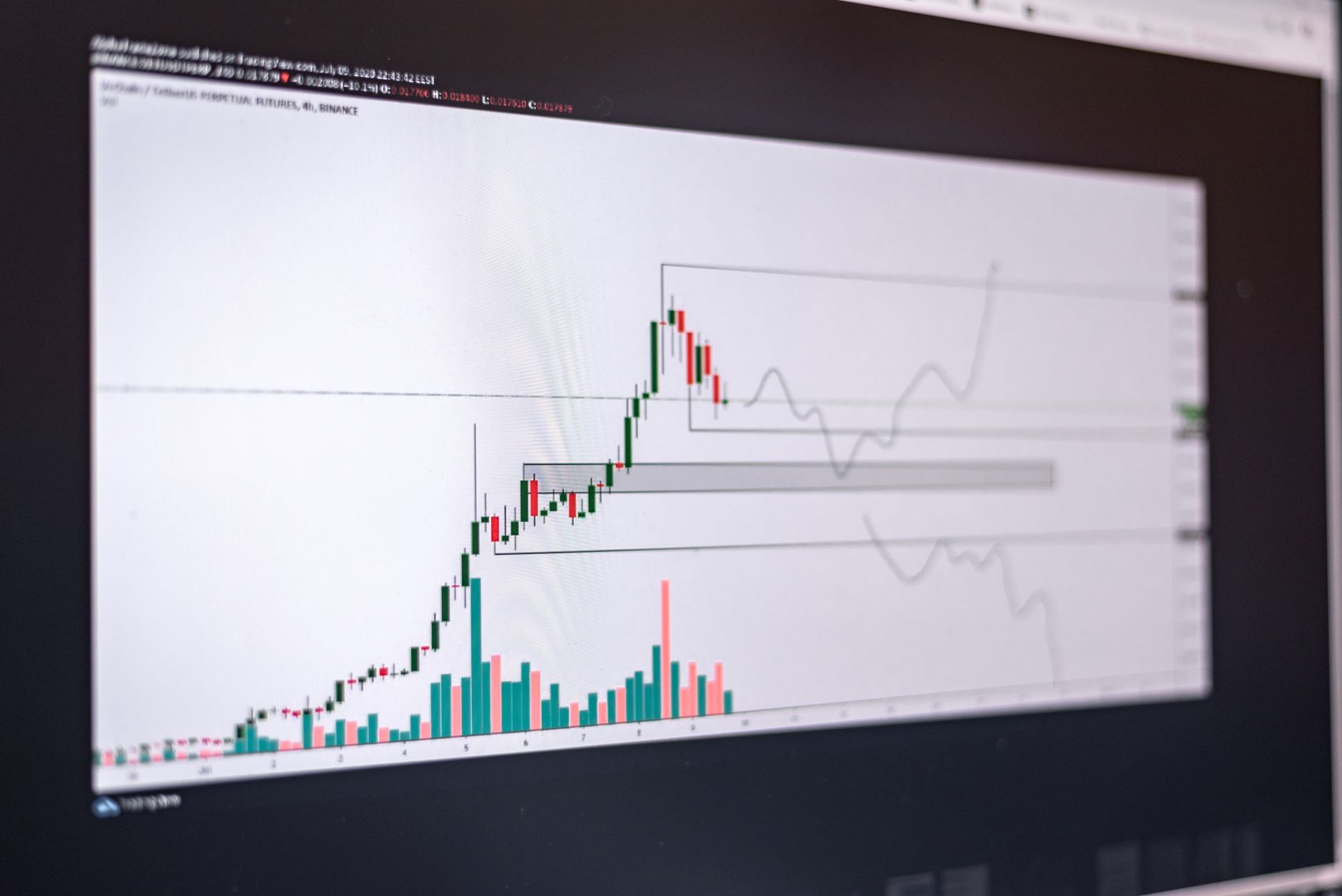
The social narrative currently suggests that memecoin volatility is driven solely by community hype and social media cycles. However, the volume data contradicts this simplistic view. The dominance of Jupiter, supported by high-performance automated market makers, suggests that liquidity is being forced into specific channels to reduce friction.
Solana has officially surpassed Ethereum in DEX trading volume, a milestone that underscores the network's capacity to handle high-frequency, low-fee environments. When the market moves, the volume is not just splashing around; it is being captured by a few key infrastructure players. The introduction of tools like JupUSD, which leverages Ethena's stablecoin collateral, is clearly designed to deepen this liquidity further and keep capital within the Solana ecosystem rather than leaking it to other chains.
FAQ
Why is Jupiter holding such a massive percentage of the DEX market share?
Jupiter’s dominance is the result of superior aggregation and routing technology. By connecting various liquidity sources and offering the best execution paths, it has become the default interface for the vast majority of Solana market participants, effectively creating a hub-and-spoke model for network liquidity.
Does the shift to JupUSD change how we view stablecoin liquidity on Solana?
Yes, it signals an attempt to create a self-contained dollar ecosystem. By migrating significant USDC liquidity into a native stablecoin structure supported by yield-bearing assets, the ecosystem aims to reduce cross-chain friction and stabilize the capital available for memecoin and DeFi activity.
Structural Shifts in Trading
For those watching the charts, it is essential to distinguish between the 'noise' of price action and the 'signal' of liquidity flow. The integration of dynamic liquidity protocols, such as those introduced by Meteora, suggests that the market is moving toward more efficient capital allocation. Governance tokens and airdrop incentives are being used to bootstrap this liquidity, turning passive participants into active providers of market depth.
However, remain skeptical of intraday moves. Because liquidity is so concentrated, a single large route or a shift in how an aggregator handles a specific token pair can cause sudden deviations in price that do not necessarily reflect broader market sentiment. Always look at the volume profile on the aggregator level rather than just the individual DEX pair.
Watchlist for Tomorrow
- Monitor volume spikes on Jupiter-routed pairs to identify where the current institutional or whale interest is flowing.
- Observe the integration of JupUSD liquidity pools and whether they begin to absorb volume from legacy USDC pairs.
- Track the performance of new liquidity infrastructure projects that aim to challenge or complement the current aggregator-heavy landscape.
- Keep an eye on the spread between decentralized exchange prices and top-tier order book activity to spot potential execution bottlenecks.
Related posts in Trading Psychology & Journaling
- Trading Psychology & Journaling
Memecoin 2026 Liquidity Shift: Solana Market Rotation Analysis
Analyzing the $1.2B liquidity surge on Solana. Discover how Bonkfun is challenging Pumpfun dominance and what this rotation means for your market strategy.
Memelogs
- Trading Psychology & Journaling
Narrative Heat Map: Solana Sentiment and Institutional Shifts in 2026
Navigating the 2026 Solana landscape: How Fidelity ETF filings, institutional algo strategies, and on-chain community narratives are shaping market sentiment.
Memelogs
- Trading Psychology & Journaling
Narrative Heat Map: Solana Sentiment and Institutional Currents in 2026
Navigating the 2026 Solana landscape: How institutional ETF filings clash with on-chain reality. Track the narrative heat map for smarter market positioning.