
Solana 2026 Liquidity Shifts: Decoding Today's Market Rotation
Analyzing Solana's 2026 liquidity rotation. We break down the gap between social sentiment and on-chain volume to help you navigate memecoin volatility.

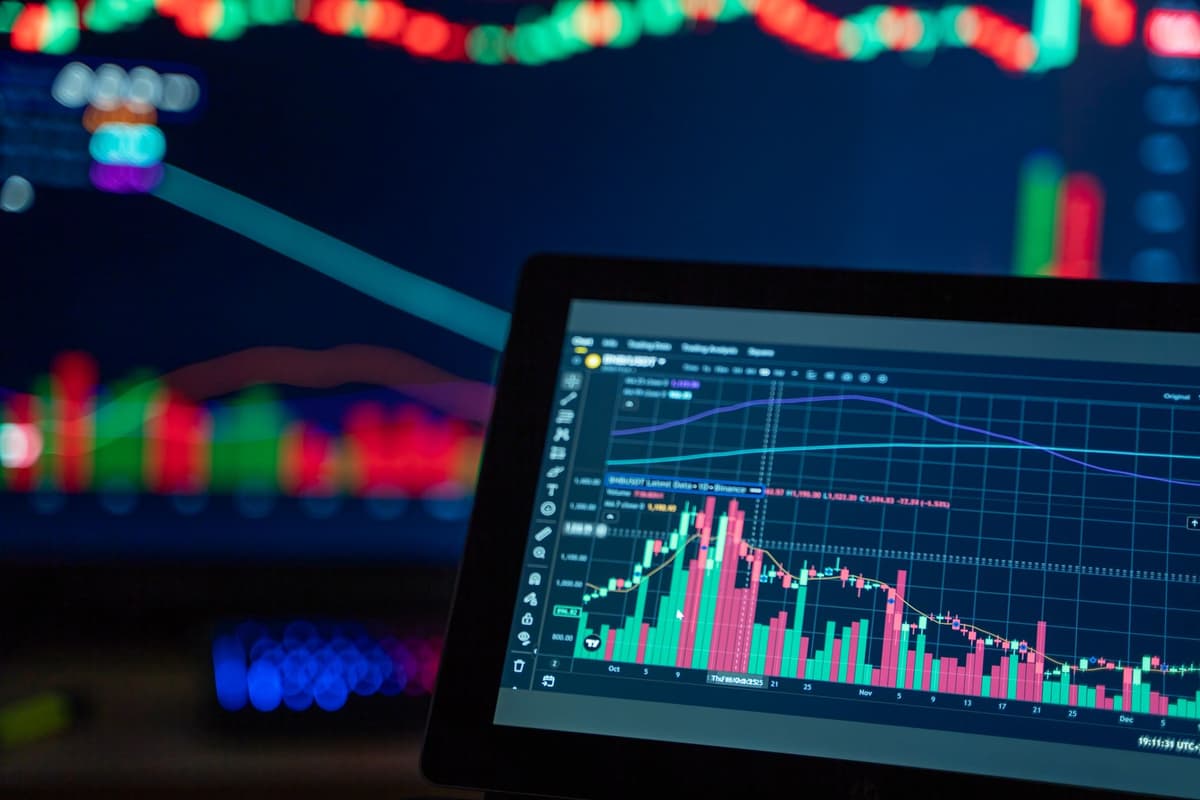
Liquidity on Solana in 2026 has been characterized by a violent rotation between high-conviction narrative plays and periods of extreme FUD-driven stagnation. While daily volume has peaked as high as $3.54 billion, the current market structure suggests that liquidity is increasingly fragmented, moving away from broad ecosystem participation toward isolated, high-risk pockets that react sharply to shifting sentiment and protocol-level developments.
The Narrative vs.
The Reality
Today’s market sentiment is a classic study in cognitive dissonance. On one side of the feed, you have the "Big Year" optimism that characterized the start of 2026, fueled by institutional interest and the promise of a maturing ecosystem. Yet, when you zoom into the daily charts, the story is far grimmer. We are seeing a divergence where social media sentiment remains noisy, yet the actual on-chain liquidity is retreating from the broader Solana ecosystem.
Historically, when daily volumes hit the $3.5 billion mark, we saw a healthy rotation of capital. However, the current landscape is defined by a flight to safety. When Bitcoin sneezes, the Solana ecosystem catches a cold that lingers for weeks. The skepticism here is warranted: we are seeing lower highs and lower lows in terms of sustained volume, suggesting that the "easy money" phase of early 2026 has been replaced by a more defensive, reactive environment.
On-Chain Contradictions
It is vital to distinguish between "volume" and "liquidity." High volume often masks the fact that participants are merely churning the same stagnant pools of capital. When you see a spike in trading volume without a corresponding increase in unique active wallets or net new TVL, you are looking at a mirage. Today’s activity confirms that retail participants are less engaged in the memecoin cycle than they were in the first quarter of the year. The volatility we see today is largely algorithmic, driven by market participants trying to scalp micro-trends rather than genuine ecosystem conviction.
Navigating the Rotation
Liquidity is currently rotating out of speculative "moonshot" assets and into RWA-adjacent protocols or simply sitting on the sidelines in stable assets. The shift is palpable. The narrative was supposed to be about consumer apps and payments, but the reality for the average market participant is a grind against negative funding rates and a market that refuses to find a floor.
1. Monitor the Funding Rates
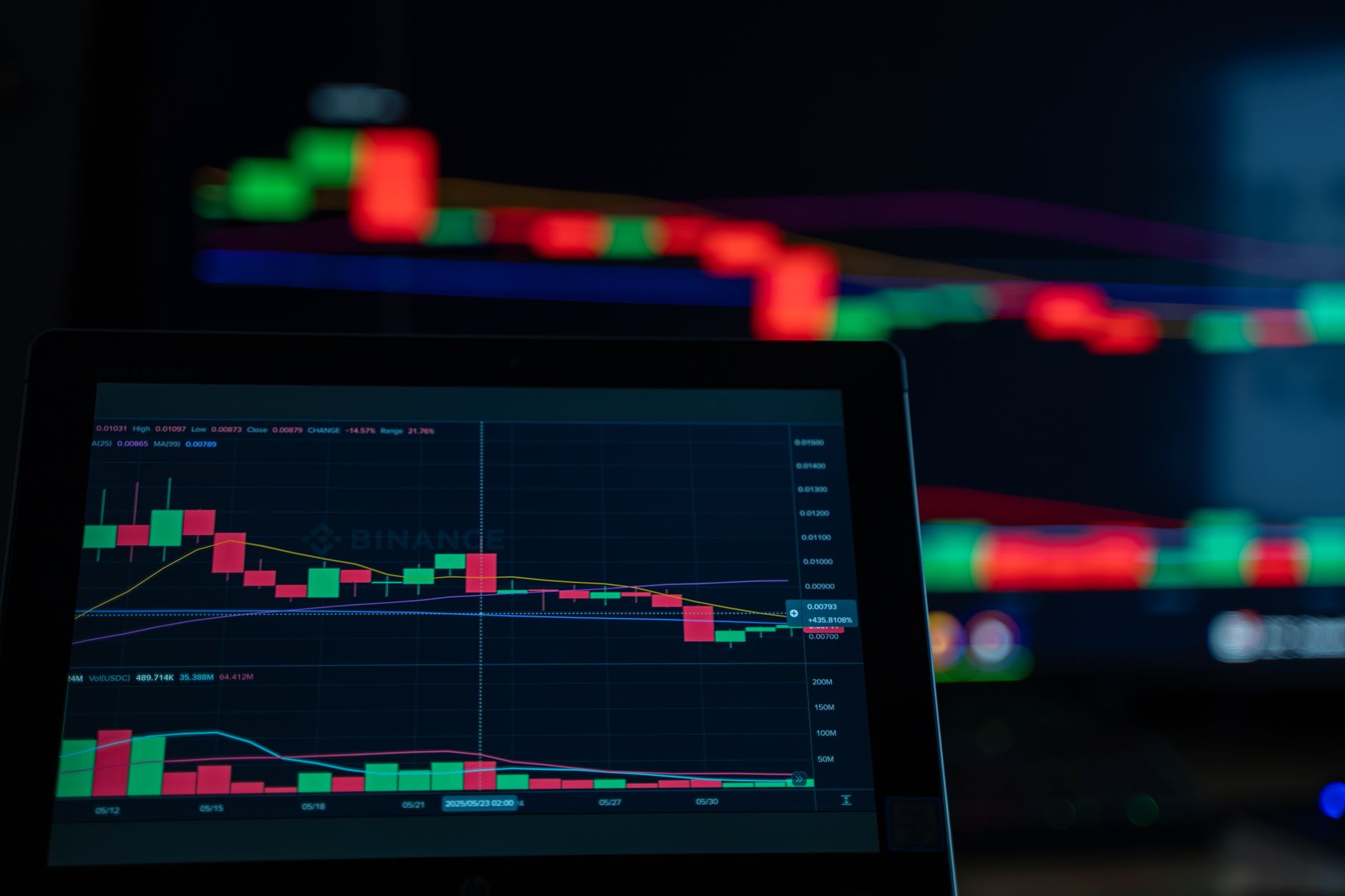
Watch the funding rates across major exchanges. When they consistently skew negative, it is a clear sign that the market is over-leveraged on the short side. This often precedes a short-squeeze, but it is not a signal to buy; it is a signal to exercise extreme caution.
2. Track Unique Wallet Activity
Ignore the total volume figure for a moment. Look at the number of unique addresses interacting with your target memecoin contracts. If the volume is up but the number of unique wallets is flat or down, the liquidity is being manipulated by a shrinking group of insiders.
FAQ
Is the current Solana liquidity crisis a result of poor market sentiment?
Yes, the negative sentiment surrounding Solana reached a peak in 2026. This high level of FUD often correlates with periods of lower trading volume, creating a self-reinforcing loop where the lack of retail participation makes the asset more vulnerable to sudden price swings.
Does higher volume always mean a healthier ecosystem?
No. As seen in the recent market cycles, volume can be deceptive. A high-volume day accompanied by negative funding rates and a lack of new wallet creation is a warning sign that the liquidity is toxic and driven by exit-seeking participants rather than new capital entering the ecosystem.
Watchlist for Tomorrow
For the next session, keep your eyes on the following:
- The spread between SOL and BTC: Is SOL outperforming during market rallies, or is it merely tracking the broader market decline?
- Protocol-level announcements: Any news from the Anza proposal developments or regulatory updates, as these act as the only real catalysts for structural liquidity shifts.
- Sentiment exhaustion: If social media becomes universally bearish, observe if the volume begins to dry up completely; this is often where the most unpredictable, yet short-lived, reversals occur.
Remember, in the world of memecoins, today's conviction is tomorrow's exit liquidity. Stay skeptical, keep your position sizes manageable, and never confuse a temporary bounce with a trend reversal.
Related posts in Trading Psychology & Journaling
- Trading Psychology & Journaling
Solana 2026: When Social Noise Outpaces On-Chain Volume
Analyzing the widening gap between Solana's peak social sentiment and its 2026 volume lows. Discover what this divergence signals for market participants.
Memelogs
- Trading Psychology & Journaling
MemeLogs: Unpacking Three Mid-Day Market Narratives for July 21, 2026
Analyzing three hot narratives from this morning's crypto markets. We contrast social hype with on-chain reality to keep your trading perspective sharp.
Memelogs
- Trading Psychology & Journaling
Narrative Heat Map: Solana Sentiment vs. On-Chain Reality in 2026
Analyzing the widening gap between Solana's bearish social sentiment and its record-breaking on-chain performance. Stay sharp as the narrative shifts.
Memelogs