
MemeLogs: Daily Narrative Review and Solana Market Reality for 2026
Analyzing the 2026 Solana memecoin landscape. We break down the gap between social narratives and on-chain reality to sharpen your market perspective.

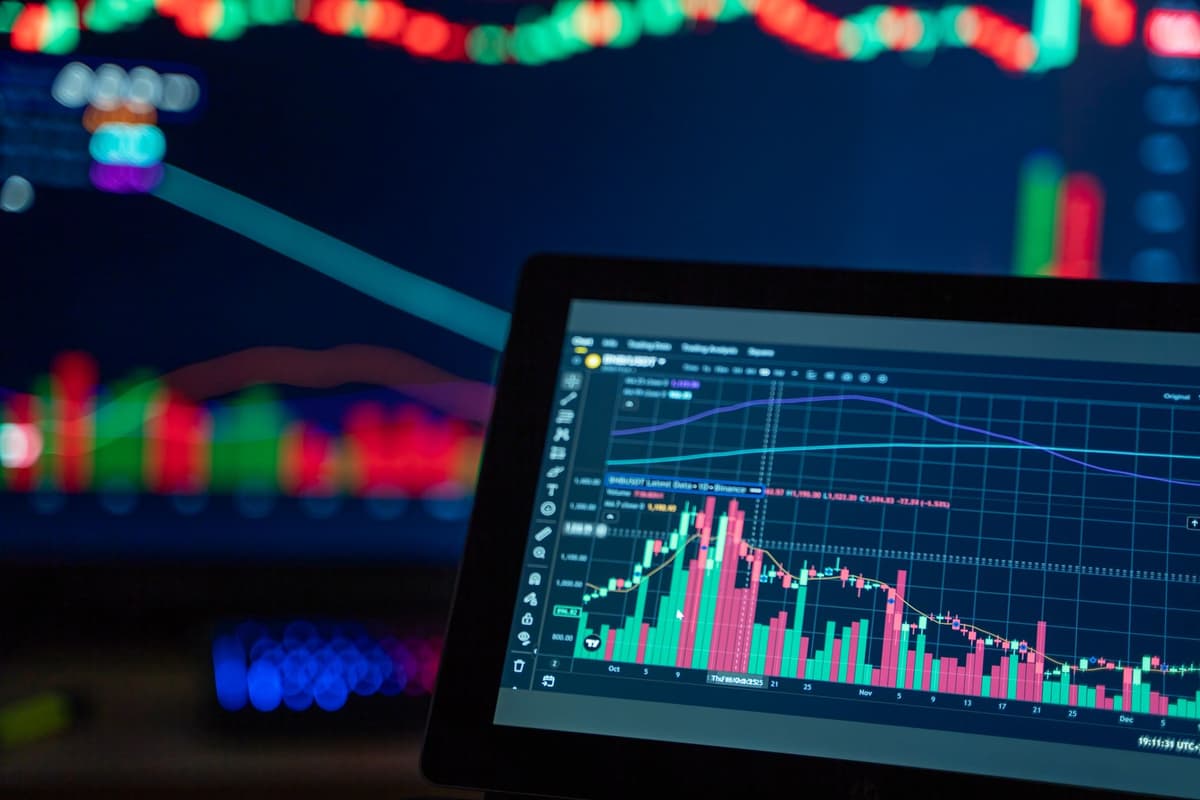
Today’s market reflects a high-velocity rotation where social sentiment often detaches from on-chain liquidity reality. Investors must distinguish between genuine community-driven momentum and the mechanical rug pull cycles that dominate the current Solana ecosystem.
The Daily Narrative vs.
On-Chain Reality
Today, the dominant themes circulating on social platforms center on rapid-fire launchpad cycles and the promise of early-entry asymmetric upside. The prevailing narrative suggests that speed is the only metric that matters, pushing retail participants to jump into new launches the moment they appear on scanners. However, the on-chain volume data tells a more skeptical story. While social engagement metrics appear to spike during the initial launch phase, the actual liquidity depth remains thin, often indicating that the primary movement is driven by automated entities rather than organic retail interest.
Contradictions are surfacing everywhere. We see high social volume for tokens that show stagnant or declining on-chain buy pressure within the first two hours of existence. This divergence is the hallmark of the current market cycle: a manufactured sense of urgency designed to lure liquidity into projects that follow a predictable, pre-scripted rug pull path. If the on-chain volume confirms a lack of sustained buy-side depth, the narrative is likely a trap.
Understanding the 2026 Market Cycle
Unlike previous years, the 2026 landscape is defined by a clearer recognition of rational returns. Investors are beginning to realize that the 'infinite growth' model is a fallacy. Instead, we are seeing a shift toward narrative reconstruction, where the community attempts to filter out low-quality launches before they gain traction. The volatility is not just a feature; it is an amplification of market psychology. When a token drops 30% in an hour, loss aversion often forces participants to exit at the exact moment of maximum pain, which is exactly when the cycle resets for the next wave of participants.
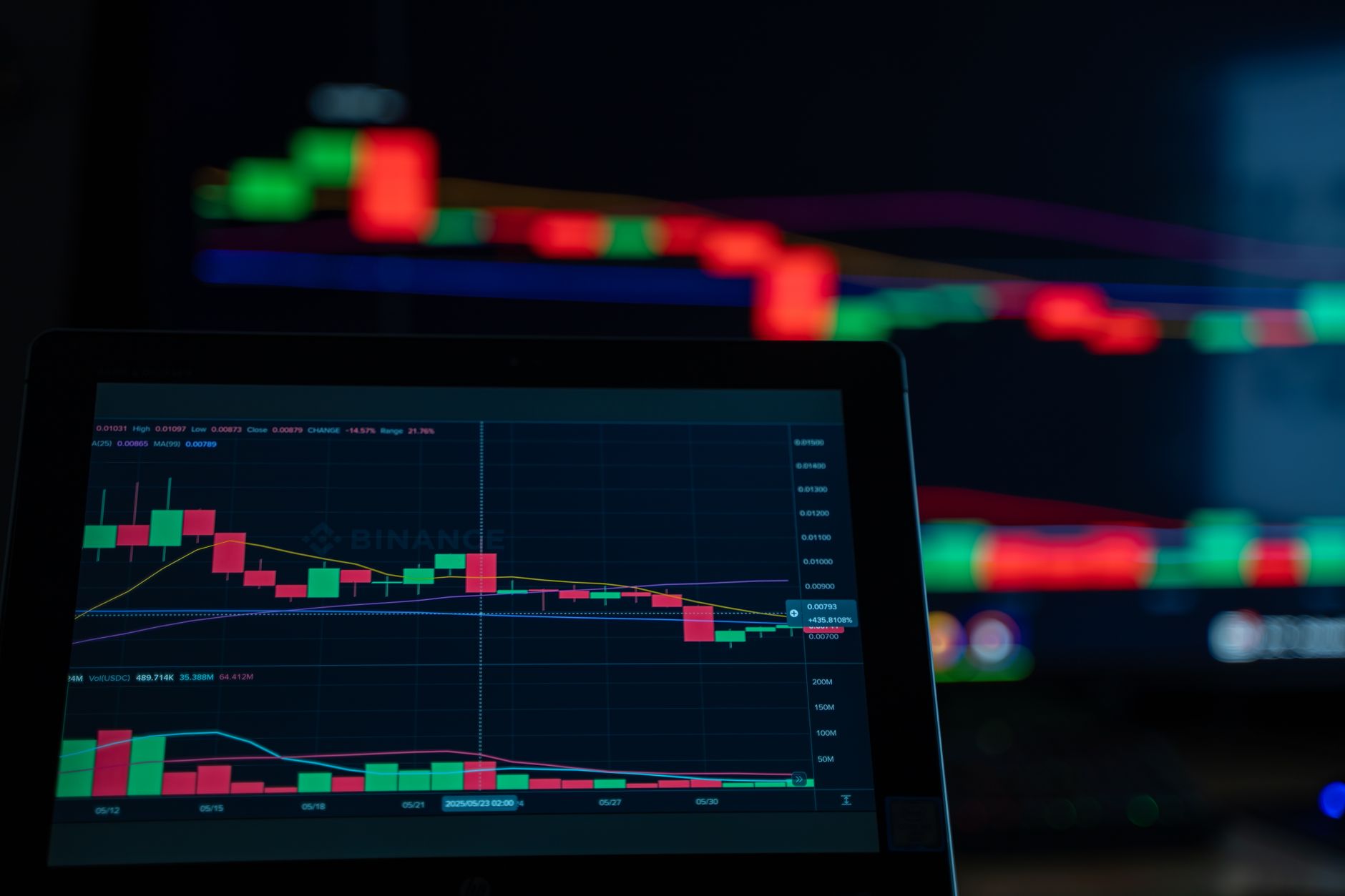
1. Analyze the launch cadence
Observe whether the token follows the standard arrival-to-exit lifecycle.
2. Verify volume authenticity
Check if on-chain buy orders match the social sentiment intensity.
3. Evaluate the liquidity profile
Monitor if the liquidity pool is being drained or if it is being locked for a sustainable duration.
The Psychology of the Daily Grind
Trading in this environment requires a detachment from the FOMO-driven rhetoric. The sheer speed of Solana allows for instant execution, but it also allows for instant losses. When you feel the urge to enter a position based solely on a trending hashtag, pause to look at the contract flow. Most tokens today are not designed for long-term holding; they are designed for the short-term extraction of liquidity. Keeping a journal of these daily narratives helps in identifying when a specific 'meta' has become oversaturated and prone to collapse.
FAQ
How can I identify a potential rug pull before it happens?
Most rug pulls on Solana follow a recognizable mechanical shape, starting with an initial launch, a brief period of hype-driven volume, and an eventual, sharp decline as the primary liquidity is withdrawn. By monitoring the on-chain flow for signs of early, concentrated sell-side pressure that contradicts the social hype, you can often identify these patterns before the final exit move occurs.
Why does my sentiment analysis often conflict with the price action?
Social sentiment is easily manipulated by automated bots and paid engagement, which creates a false sense of community consensus. On-chain volume is the only reliable truth in this environment; if the volume is not backing the narrative, the sentiment is likely noise designed to facilitate an exit for earlier participants.
Watchlist for Tomorrow
Instead of chasing the current high-velocity movers, watch for tokens that exhibit a 'base-building' phase. Look for projects where the on-chain volume is consistent rather than sporadic, and where the social narrative is focused on utility or community longevity rather than instant wealth. Monitor the following for signs of structural integrity:
- Tokens that maintain liquidity support after the initial 6-hour launch window.
- Projects where the holder distribution shows a decrease in concentration over time.
- Narratives that are moving away from 'fast-launch' hype and toward 'slow-burn' development cycles.
Remember, the goal is to survive the volatility of the 2026 market, not to capture every single wave. Stay skeptical, keep your records, and prioritize capital preservation over the need to be in every trending token.
Related posts in Trading Psychology & Journaling
- Trading Psychology & Journaling
MemeLogs Daily Recap: Identifying Market Themes and Volatility in 2026
Analyze today's memecoin market trends by contrasting social narratives with on-chain volume. Learn how to journal your trades to navigate 2026 volatility.
Memelogs
- Trading Psychology & Journaling
Memecoin 2026 Liquidity Shift: Solana Market Rotation Analysis
Analyzing the $1.2B liquidity surge on Solana. Discover how Bonkfun is challenging Pumpfun dominance and what this rotation means for your market strategy.
Memelogs
- Trading Psychology & Journaling
Solana Liquidity 2026: Why Jupiter Dominates the On-Chain Flow
Solana liquidity has shifted toward aggregator dominance in 2026. Explore how Jupiter's 93.6% market share is reshaping memecoin trading and DEX activity.
Memelogs