
Solana Whale Tracking 2026: A Technical Approach to On-Chain Analysis
Learn how to track whale wallet movements on Solana using on-chain data and behavioral clustering to identify trends without relying on blind copy-trading.

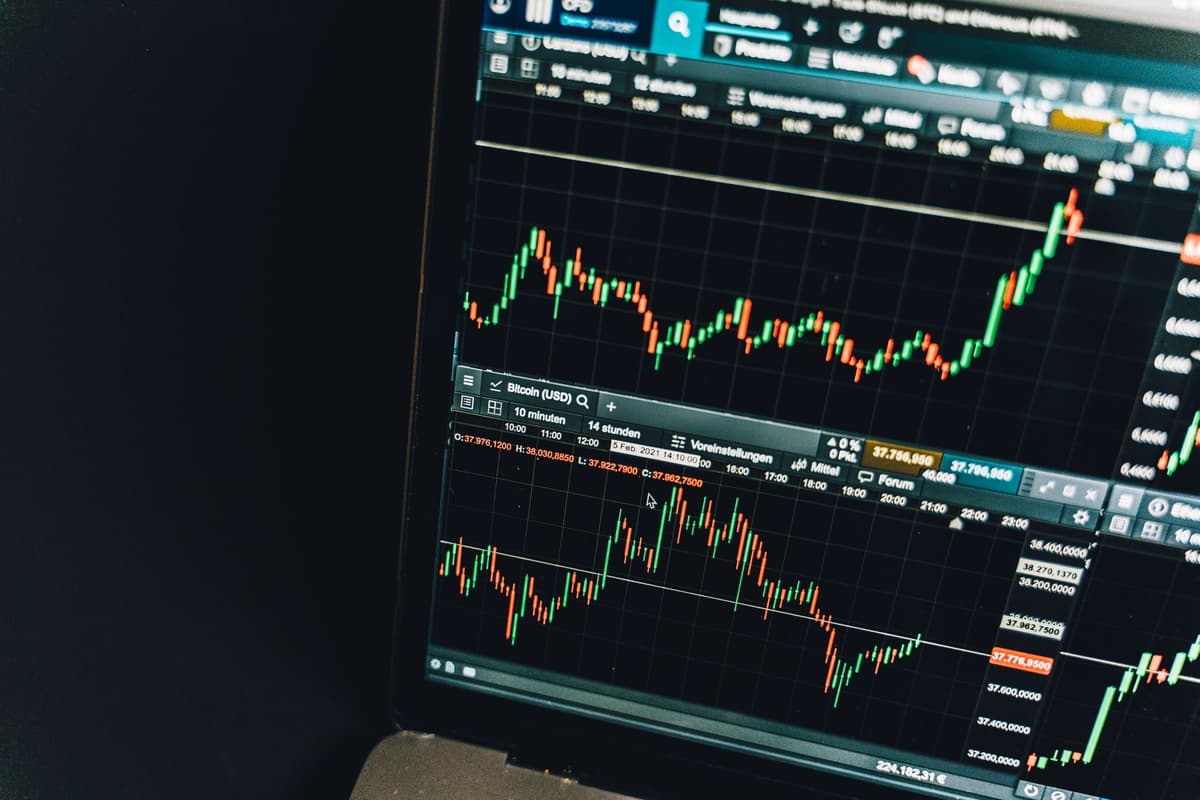
Tracking whale wallets involves monitoring on-chain transaction flows and liquidity movements to identify institutional accumulation patterns. By utilizing behavioral clustering and real-time data streaming, market participants can observe capital shifts as they occur rather than reacting to delayed social media alerts.
Why Tracking Wallets Matters
In the Solana ecosystem, transparency is the primary advantage for the retail participant. Because all transactions are recorded on a public ledger, the movement of significant capital is visible to anyone capable of parsing the data. However, the common mistake is assuming that every large transaction represents a high-conviction play. Many large movements are internal transfers, liquidity rebalancing, or exchange-related activities that hold no directional bias for a specific token.
To move beyond naive copy-trading, one must focus on behavioral clustering. This means looking for wallets that consistently interact with specific liquidity pools or show a pattern of accumulating assets before significant volume spikes. The goal is to identify the 'smart money'—wallets with a documented history of profitable entries—and understand their footprint on the network.
The Technical Workflow for Whale Analysis
1. Identify Target Wallets
Use block explorers to search for addresses with high historical volume or those connected to known decentralized finance protocols. Do not look for random high-balance wallets; look for wallets that interact frequently with liquidity pools and show a diverse portfolio of early-stage assets. Filter out exchange-controlled wallets, as these reflect institutional custody rather than active market participation.
2. Analyze Behavioral Patterns
Once a list of potential smart money wallets is established, examine their PnL history. A wallet that consistently buys into tokens before they reach a specific market cap threshold may be worth monitoring. Look for 'Green Clusters'—a term used to describe periods where a wallet accumulates a position across multiple transactions, often during periods of low volatility, signaling a conviction play rather than a speculative gamble.
3. Monitor Liquidity and Holders
Check the token contract's liquidity distribution. If a whale is accumulating a large percentage of the circulating supply, verify if the liquidity is locked or if the token has undergone a migration to a major decentralized exchange. High concentration in a single wallet can be a risk, but it also provides a clear signal of the whale's commitment to the asset's long-term viability.
4. Utilize Real-Time Data Streams
Polling RPC nodes manually is inefficient. Use gRPC streaming services that allow you to push transaction data directly to your local monitoring tools. This provides sub-second latency, ensuring that when a whale interacts with a bonding curve or adds liquidity, you see the transaction as it lands on-chain, not after the price has already adjusted.
Understanding On-Chain Metrics
| Metric | Purpose |
|---|---|
| Transaction Frequency | Distinguishes active traders from long-term holders |
| Liquidity Depth | Indicates the ease of entry and exit for large positions |
| Holder Distribution | Shows if supply is concentrated or distributed across many addresses |
| Volume-to-Market-Cap | Helps identify if a token has genuine interest or is artificially propped up |
What this is NOT
This information is not financial advice, nor is it a buy signal for any specific asset. Following whale wallets does not guarantee returns, and large holders frequently suffer losses or act as liquidity providers for the rest of the market. Always conduct your own research.
FAQ
Is it possible to track whale movements in real-time without expensive software?
Yes, by utilizing public block explorers and open-source gRPC streaming tools, any participant can monitor on-chain events as they occur. The constraint is not the cost of the tools, but the ability to filter out noise from meaningful transaction data.
How can I tell the difference between a whale accumulating and a whale dumping?
Accumulation is typically characterized by smaller, frequent buys over time to avoid excessive price slippage, often occurring during periods of consolidation. A dump is usually marked by large, rapid sell orders executed against available liquidity pools, often accompanied by an increase in circulating supply metrics for the target asset.
Related posts in On-Chain & Whale Tracking
- On-Chain & Whale Tracking
Reading Bonding Curve Metrics: Analyzing Memecoin Momentum in 2026
Master the technical art of reading bonding curve progress on Solana. Learn how to analyze on-chain metrics to identify liquidity shifts before price moves.
Memelogs
- On-Chain & Whale Tracking
Tracking Smart Money Wallets on Solana for Memecoin Strategies in 2026
Master the technical workflow for monitoring high-signal wallets on Solana. Learn to filter on-chain data, track liquidity, and analyze whale movements in 2026.
Memelogs
- On-Chain & Whale Tracking
On-Chain Whale Tracking: Identifying Accumulation Patterns in 2026
Master the architecture of on-chain analysis. Learn how to spot whale accumulation patterns before market narratives shift using Solana ecosystem data.
Memelogs