
Why Logging Every Trade Reduces Bias in 2026 Memecoin Markets
Discover how documenting every memecoin trade helps you strip away emotional bias, identify patterns, and navigate the volatile 2026 landscape with clarity.

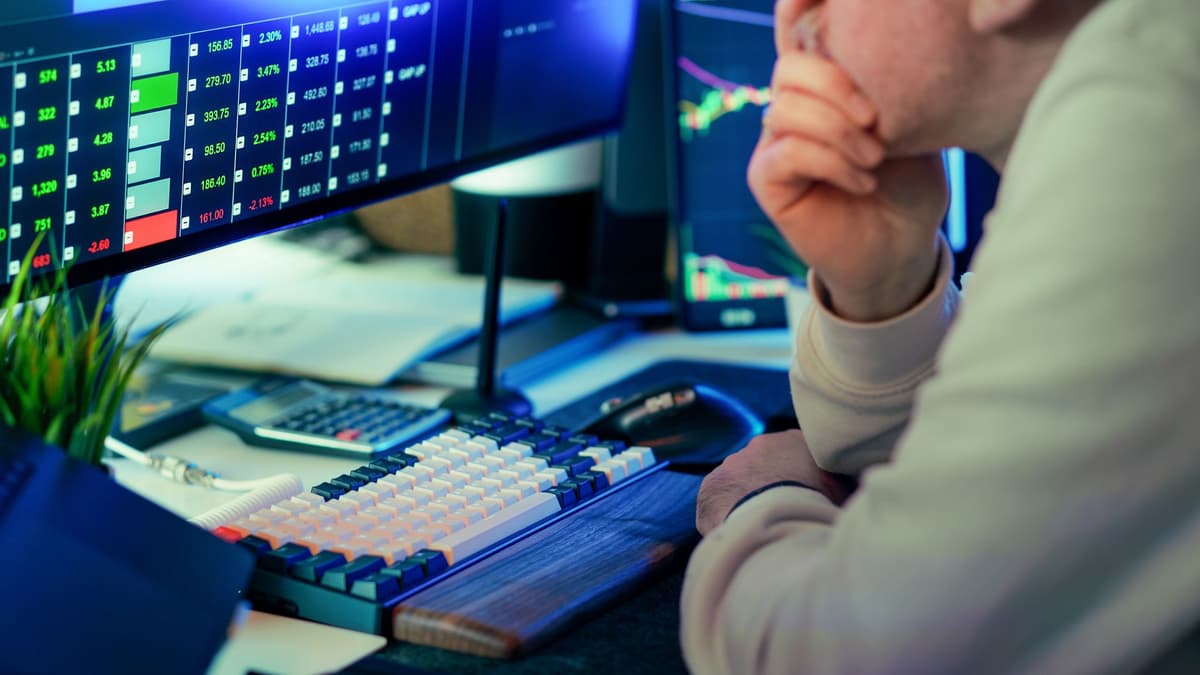
Logging every trade creates an objective feedback loop that separates your decision-making process from the emotional noise of volatile markets. By documenting the 'why' behind every entry and exit, you transform raw market data into a personal repository of patterns, allowing you to recognize and neutralize cognitive biases before they lead to recurring losses.
The Psychology of the 2026 Memecoin Landscape
In 2026, the memecoin market remains a psychological rollercoaster. The speed of blockchain transactions and the viral nature of these assets often trick participants into believing they have an intuitive 'edge' that doesn't actually exist. When I first started, I relied on gut feelings, often confusing luck with skill during a green candle run. The reality, as I learned after several painful drawdowns, is that without a written record, the brain conveniently forgets its mistakes while amplifying its successes.
Volatility is a feature, not a bug. With daily market swings becoming more nuanced as the industry matures, the pressure to act impulsively is higher than ever. When you don't log your trades, you are essentially flying blind, letting fear and greed dictate your behavior. Logging forces a moment of pause, shifting the brain from a reactive state into an analytical one.
Why Your Memory is the Enemy
Human memory is notoriously unreliable when money is at stake. We suffer from 'outcome bias'—we judge the quality of a decision by the result rather than the process. If I bought a token because of a random social media hype cycle and it pumped, I mistakenly tell myself I am a genius. If it rugs, I blame bad luck. Neither is an accurate reflection of the truth.
Logging every trade—regardless of whether it was a win or a total loss—strips away the narrative we build to protect our ego. It forces us to confront the reality of our 'thesis' versus the reality of the price action.

The Anatomy of an Objective Trade Log
To move beyond simple profit and loss tracking, you need a qualitative framework. A useful log entry in 2026 should focus on the following fields:
- Thesis: Why did I enter? Was it based on volume, community sentiment, or a specific technical setup?
- Size: How much risk was I comfortable with relative to my total liquidity?
- Emotion: How was I feeling? Was I bored, frustrated, or experiencing fear of missing out?
- Exit Rule: Did I follow my pre-defined plan or did I panic-sell when the price dipped?
- Outcome: The actual financial result.
- Lesson: What is one thing I would do differently next time?
Practical Journaling Workflow
1. Pre-Trade Thesis Statement
Before clicking the buy button, write down exactly why you are entering the position. If you cannot explain your thesis in two sentences, you are likely gambling, not participating in the market.
2. Emotional Check-in
Note your state of mind. If you are entering a trade because you are angry about a previous loss, this is a red flag. Acknowledging this emotion in your journal often provides the perspective needed to step away.
3. Post-Trade Review
At the end of each session, review your entries. Look for recurring themes. Are you consistently losing money when you enter during high-volatility spikes? Are you exiting too early due to fear? The data will reveal your behavioral patterns.
FAQ
Does logging trades guarantee better market outcomes?
No. Logging does not guarantee profits or prevent market downturns. It is a risk-management tool designed to improve your decision-making process and self-awareness, which are the foundations of long-term survival in volatile environments.
What should I do if I find I am consistently failing to follow my own rules?
If your logs reveal a persistent inability to follow your exit rules, it is a sign that your strategy may not be aligned with your risk tolerance. Use the journal to refine your rules until they are realistic enough for you to actually execute under stress.
Risk Awareness and Responsibility
Trading memecoins involves significant risk of capital loss. The market is highly susceptible to rapid price changes, liquidity issues, and technical failures. This content is for educational purposes only and does not constitute financial advice. Always perform your own research and never allocate funds that you cannot afford to lose. The information provided here is based on general market observations and should not be interpreted as a strategy for guaranteed performance guarantee.
Related posts in Memecoin Market Analysis
- Memecoin Market Analysis
Why Logging Every Trade Reduces Bias in 2026 Memecoin Markets
Discover how systematic trade logging helps market participants neutralize emotional bias and identify repetitive patterns in volatile memecoin environments.
Memelogs
- Memecoin Market Analysis
How Revenge Trading Destroyed a Green Week: A 2026 Memecoin Market Analysis
Discover how emotional volatility and revenge trading erased a profitable week in 2026. Learn to build a disciplined journal process to protect your capital.
Memelogs
- Memecoin Market Analysis
Revenge Trading: How One Bad Day Destroyed My Memecoin Portfolio in 2026
Revenge trading is the silent portfolio killer. Learn how to identify the emotional trigger and use a structured journal to protect your capital from impulse.