
Solana Price 2026: Navigating Market Volatility and Network Fundamentals
Analyzing Solana's 2026 price trajectory through the lens of network adoption, institutional flows, and the psychological discipline required for market cycles.


Solana's price trajectory in 2026 reflects a transition from high-growth speculative fervor to a period of institutional integration and fundamental testing. While the network continues to process significant transaction volumes and secure enterprise-grade partnerships, the price has faced downward pressure due to structural inflation and a shift in market sentiment compared to the peak valuations of late 2025.
The Reality of the 2026 Correction
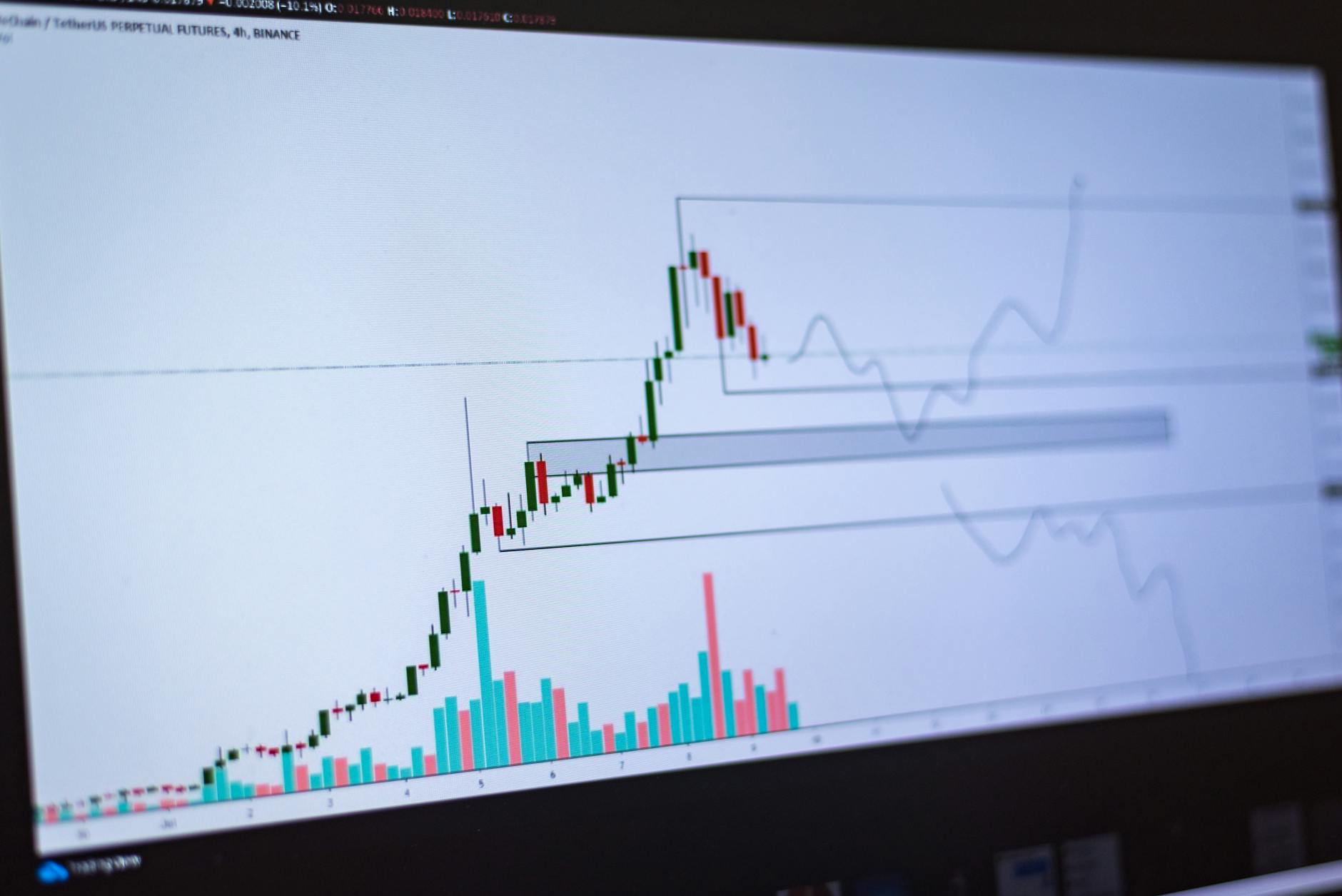
Looking back at my own portfolio performance, the drop from nearly $247 in late 2025 to the $80 range in mid-2026 was a sobering reminder of market cycles. As someone who analyzes memecoin markets, it is easy to get caught up in the "high-throughput" narrative. We saw massive daily transaction counts, but the reality for the protocol was different: despite processing over 200 million transactions daily, only a small fraction of fees actually flows back to the protocol itself.
This discrepancy between network activity and actual protocol revenue is a critical lesson for any market participant. We often conflate usage with value accrual. When I look at my logs from that period, my biggest mistake was ignoring the inflationary pressure inherent in the tokenomics. Without a robust fee-burning mechanism, the supply growth creates a constant headwind that even the most optimistic enterprise integration news from companies like Mastercard or BlackRock cannot always offset.
Understanding Institutional Positioning
In late 2025, the launch of spot ETFs brought roughly $1 billion in assets under management, which initially fueled a sense of security. However, the data suggests that the market became heavily crowded. When over 78% of Binance accounts are positioned long, the market is essentially a coiled spring waiting for a reason to snap. For those of us trading in this ecosystem, recognizing when a trade is "too crowded" is often more important than technical analysis.
The Discipline of the Journal
I stopped tracking my entries and exits years ago because they didn't teach me anything about my decision-making process. Instead, I focus on the "Why." When the price dropped, I started logging my emotional state alongside the fundamental thesis. If you are struggling with the volatility of the current market, I suggest adopting a more reflective logging habit.
1. Thesis Logging
Write down exactly why you are entering a position. Is it based on protocol upgrades, or is it purely momentum-based speculation?
2. Emotional Calibration
Rate your anxiety level from 1 to 10 before and after placing a trade. High anxiety usually correlates with over-leveraging.
3. Exit Rule Definition
Define your exit criteria based on invalidation of your thesis, not just a price target. If the network fundamentals change, the price target becomes irrelevant.
4. Post-Trade Review
Compare the outcome to your original thesis. If the outcome was negative, was it due to market conditions or a flaw in your initial analysis?
FAQ
Why does Solana's high transaction volume not always correlate with price appreciation?
While the network processes hundreds of millions of transactions, the protocol's fee-burning mechanism is currently insufficient to offset the 4-5.5% annual inflation rate. High usage indicates network utility, but it does not automatically equate to value capture for token holders.
How do enterprise integrations impact long-term price stability?
Integrations with major financial institutions provide long-term credibility and infrastructure demand, but their impact on price is often long-term. In the short term, price remains sensitive to macroeconomic shifts, supply inflation, and the speculative nature of the broader crypto market.
Risk Disclaimer
This content is for educational and informational purposes only. Trading digital assets involves significant risk of loss. Market data mentioned, including price fluctuations and network metrics, is historical and does not guarantee future results. Always conduct your own research and consult with a professional financial advisor before making any investment decisions. Never invest money that you cannot afford to lose.
Related posts in Memecoin Market Analysis
- Memecoin Market Analysis
How Revenge Trading Destroyed a Green Week: A 2026 Memecoin Market Analysis
Discover how emotional volatility and revenge trading erased a profitable week in 2026. Learn to build a disciplined journal process to protect your capital.
Memelogs
- Memecoin Market Analysis
Revenge Trading: How One Bad Day Destroyed My Memecoin Portfolio in 2026
Revenge trading is the silent portfolio killer. Learn how to identify the emotional trigger and use a structured journal to protect your capital from impulse.
Memelogs
- Memecoin Market Analysis
ETH to USD 2026: Market Cycles and the Emotional Cost of Memecoin Volatility
Navigating ETH to USD trends in 2026 requires understanding the interplay between Ethereum stability and memecoin momentum. Learn to journal your process.