
Solana Memecoin Trading: A 2026 Post-Mortem on My Biggest Loss
Analyzing a significant loss from the 2026 Solana market collapse. Learn how to refine your trading journal process to manage leverage and emotional risks.

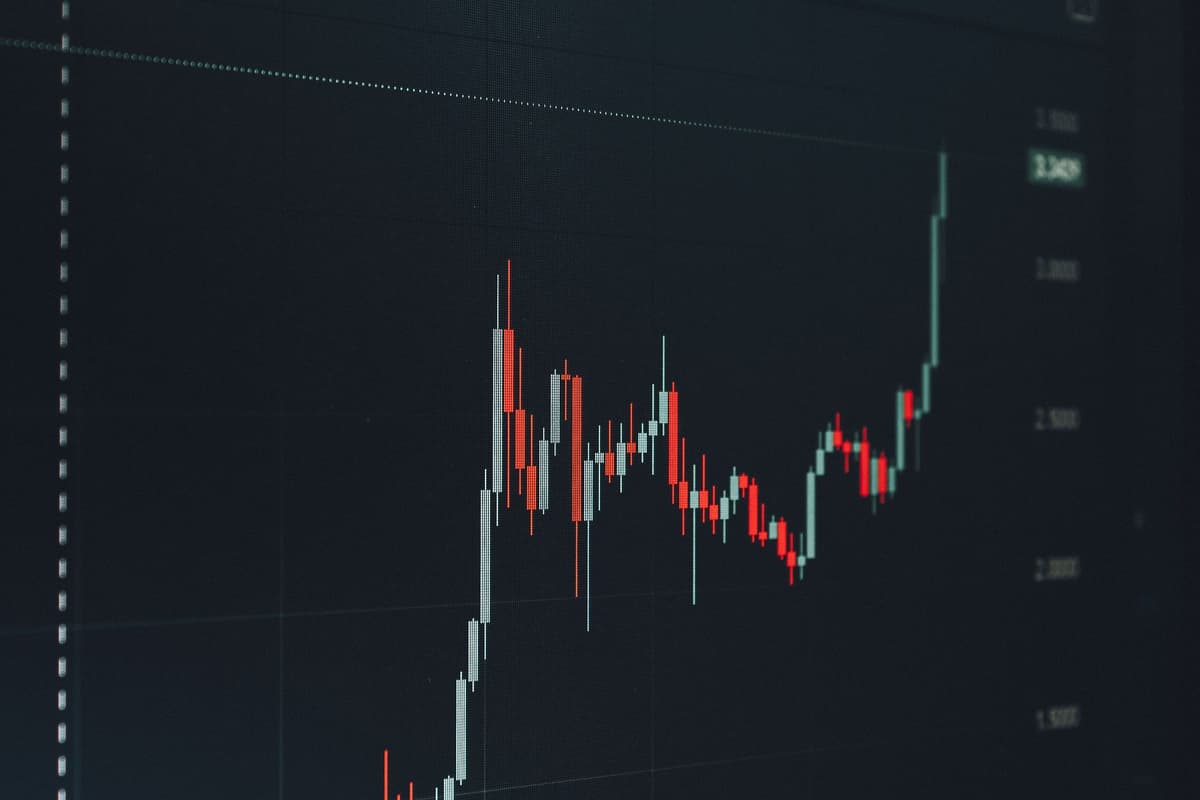
The 2026 Solana memecoin market collapse serves as a harsh reminder that leverage and macro-economic factors can rapidly erode even the most confident positions. By dissecting my own losses through a structured journaling process, I found that failure was rarely about the token itself, but rather my inability to recognize the structural decline of network liquidity and the emotional weight of holding through a macro-driven sell-off.
The Anatomy of a Breakdown
When the Solana ecosystem faced its sharp correction in 2026, many market participants—myself included—were caught off guard. The memecoin frenzy that had previously driven app-layer fees to record highs had created a false sense of security. As the market sentiment shifted from risk-on to a risk-off environment, the leverage that fueled the initial parabolic growth began to unwind, creating a cascade of liquidations.
Looking back at my journal from that period, the pattern was clear. I was trading based on historical performance rather than current on-chain reality. I had ignored the weakening on-chain demand and the macro-economic pressures weighing on the broader crypto market. My loss wasn't just a bad trade; it was a failure to adjust my thesis as the underlying market structure fundamentally changed.
The Importance of the Post-Mortem
Most participants view a loss as a singular event to be forgotten. However, the true value of a trading journal lies in the post-mortem. After the 2026 crash, I revisited my logs to identify the gap between my expectations and the reality of the market. I discovered that I had been over-leveraged and under-prepared for a sustained downturn.
Why Journaling Matters for Risk Management
- It removes the emotional haze that obscures objective decision-making.
- It forces you to document your original thesis before you enter a position.
- It creates an audit trail that highlights recurring behavioral biases.
- It allows you to track whether you are following your own risk rules during periods of high volatility.
Practical Journaling Template
To turn your losses into lessons, you must log more than just the entry and exit price. Use this framework to capture the context of your decisions:
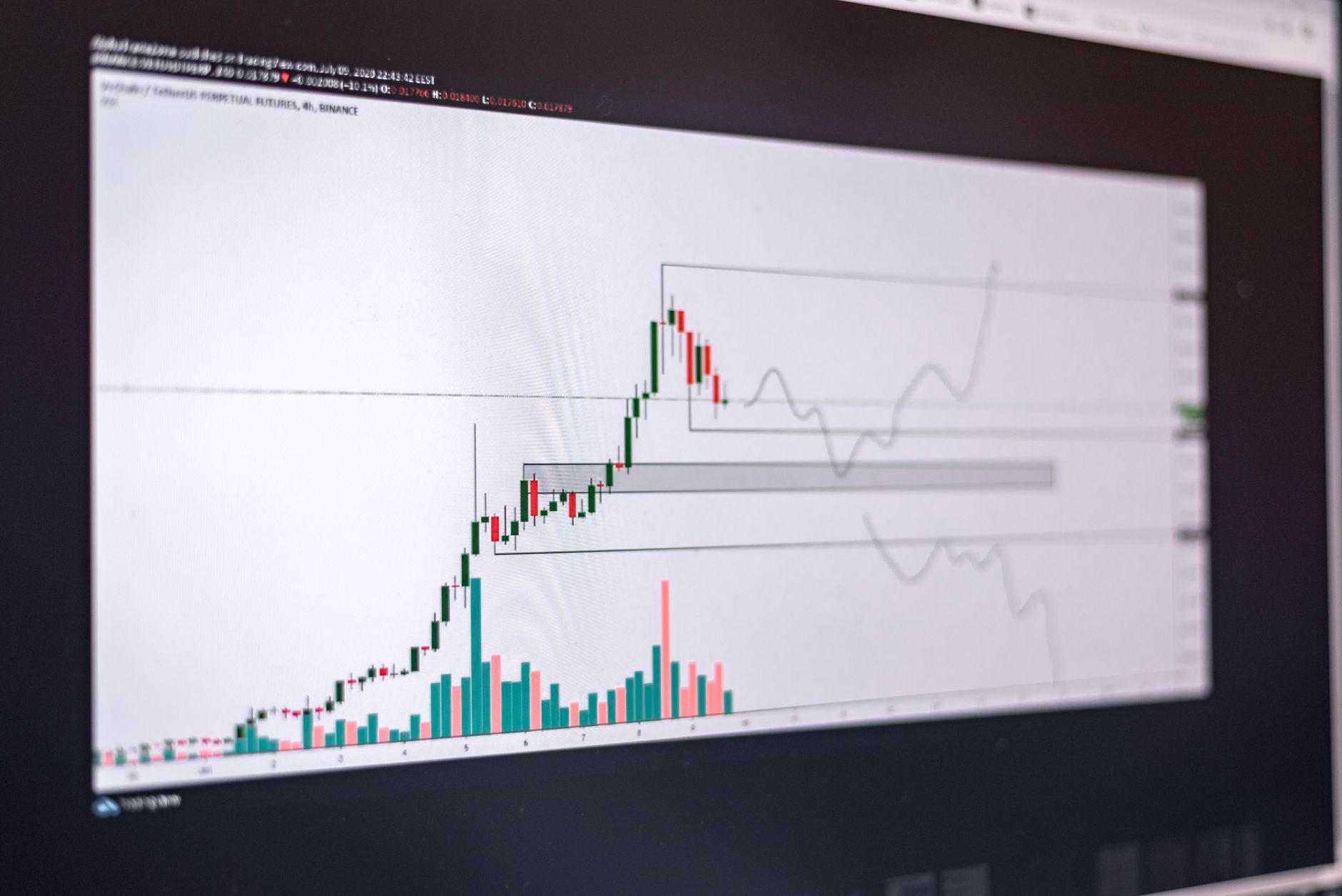
1. Pre-Trade Thesis
Define exactly why you are entering the position. What on-chain metrics or market conditions support this move? If you cannot write it down in two sentences, you are gambling, not analyzing.
2. Emotional State
Be honest about your mindset. Are you trading out of boredom, FOMO, or a need to make back previous losses? Emotional fatigue often precedes poor risk management.
3. Risk Parameters
State your invalidation point clearly. At what price or market condition does your thesis no longer hold? If you don't know when to get out, you are leaving your fate to the market.
4. The Outcome and Reflection
After the trade is closed, compare the outcome to your original thesis. Did you exit because your thesis was invalidated, or because you panicked? What did the market reveal that you initially missed?
FAQ
Did the 2026 Solana crash mean the network's fundamentals failed?
No, the price reset significantly, but the network's underlying utility did not. Solana continued to process billions of transactions, and the growth in tokenized real-world assets suggested that the network remained technically robust even while speculative memecoin demand collapsed.
How can I avoid the trap of leverage during market volatility?
Recognize that leverage is a double-edged sword that amplifies both gains and losses. During periods of macro uncertainty, reducing exposure and avoiding high-leverage positions is the most effective way to protect your capital from sudden market unwinds.
A Note on Risk
Trading in the memecoin market involves extreme volatility and a high risk of losing your entire investment. The information provided here is for educational purposes only and does not constitute financial advice. Market conditions change rapidly, and historical performance is never an indicator of future results. Always conduct your own research and never risk money you cannot afford to lose.
Related posts in Memecoin Market Analysis
- Memecoin Market Analysis
Solana Memecoin Wins: Why Your Best Days Are Your Biggest Risks in 2026
A winning trade in the Solana memecoin market often hides dangerous habits. Learn how to journal your success to build long-term sustainability.
Memelogs
- Memecoin Market Analysis
Shiba Inu and BONK Market Analysis: A 2026 Perspective for Memecoin Participants
Analyzing the 2026 market landscape for Shiba Inu and BONK. Learn to document your memecoin process, manage emotional risks, and refine your trading habits.
Memelogs
- Memecoin Market Analysis
ETH vs BTC to IDR in 2026: Navigating the Shift in Market Architecture
Analyzing the 2026 landscape for Ethereum and Bitcoin. Learn how to track chain rotation, manage emotional volatility, and refine your memecoin strategy.