
Revenge Trading in 2026: How Emotional Volatility Destroyed My Portfolio
Discover how revenge trading in the 2026 Solana memecoin market destroys capital. Learn to identify emotional triggers and implement a disciplined journal.

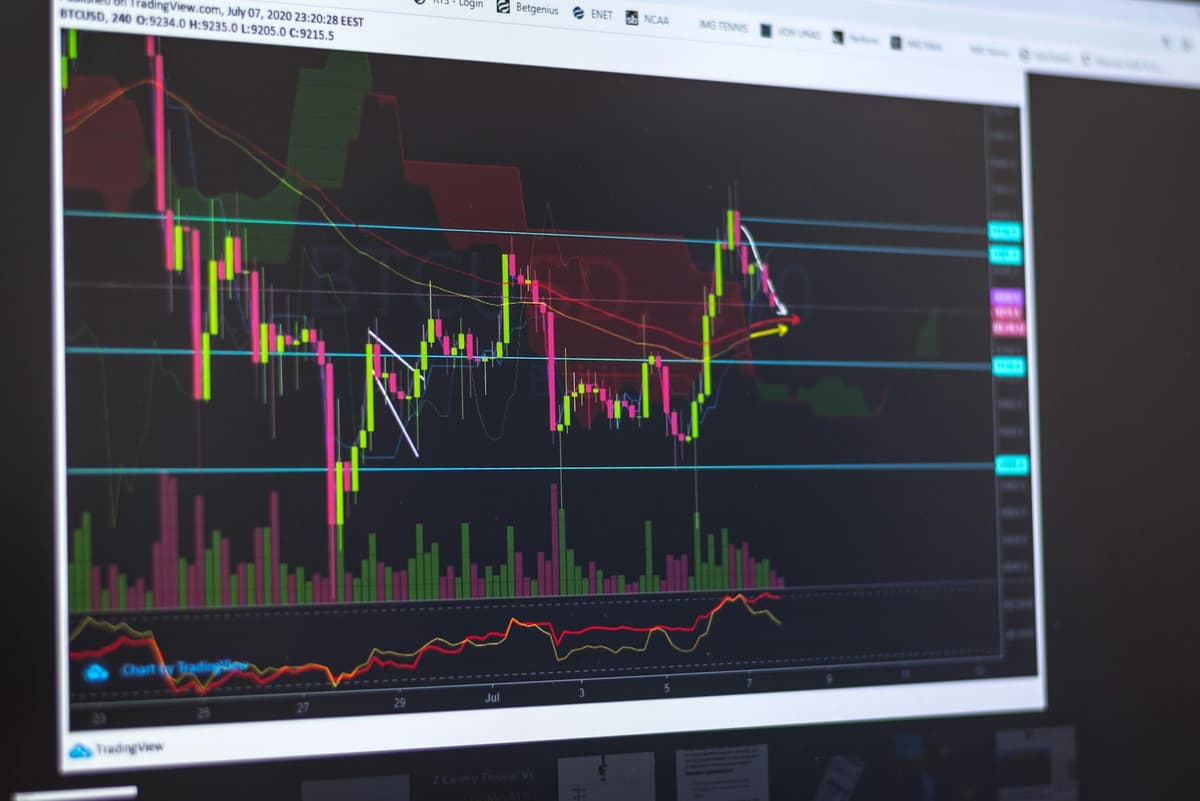
Revenge trading is an impulsive, emotion-driven attempt to recover losses immediately after a failed position, which typically leads to further capital depletion in volatile markets like Solana memecoins. By abandoning a pre-defined thesis for erratic, high-frequency entries, market participants often accelerate their decline during periods of high market turbulence.
The Psychology of the 2026 Memecoin Trenches
In 2026, the Solana ecosystem has evolved into a high-speed engine of cultural financialization. With the rise of AI-driven agents and rapid-fire launches on platforms like Pump.fun, the pace of the market has outstripped the human capacity for calm decision-making. When a portfolio takes a significant hit—perhaps from a failed breakout like those seen during the recent viral penguin meme cycles—the natural human instinct is to 'make it back' immediately.
This is where the trap of revenge trading begins. It is rarely a calculated move; rather, it is a physiological response to the pain of loss. When you see your balance drop, your brain shifts from analytical mode to survival mode. You stop looking for quality setups and start looking for any volatility that might offer a quick recovery. In the current market climate, where institutional interest is quietly moving into tokenized assets, the memecoin sector remains an outlier of extreme variance. Chasing that variance when you are emotionally compromised is the fastest way to zero.
Anatomy of a Portfolio Collapse
My own experience in 2026 serves as a case study in how process disintegration leads to ruin. After a string of losses, I found myself increasing my position sizes—not because the thesis was stronger, but because I wanted to erase the previous red candles in a single trade. This is the hallmark of revenge trading.
- The Loss: A small, controlled loss occurs due to normal market variance.
- The Emotional Trigger: A feeling of unfairness or urgency takes over.
- The Deviation: I ignore my established exit rules and thesis requirements.
- The Over-Leverage: I enter a new position with higher size to compensate.
- The Exhaustion: The market moves against me, and I am left with a hollowed-out account.
The Journal as a Circuit Breaker
To survive the current market cycle, you must move from reactive trading to reflective logging. A journal is not just a record of gains and losses; it is a psychological mirror. If you are not logging your emotional state, you are not really journaling.
Mandatory Fields for Your Trade Log
- Thesis: What specific catalyst or technical signal triggered this entry?
- Size: Was this position sized according to my risk parameters or my ego?
- Emotion: How did I feel before, during, and after the trade?
- Exit Rule: Did I follow my pre-determined stop-loss, or did I move it?
- Outcome: What was the objective result, regardless of the PnL?
- Lesson: What repeatable behavior can I improve for the next session?
Practical Journal Template
Use this structure to audit your daily activity. If you find yourself unable to fill out the 'Thesis' section truthfully, you should not be entering the market.
- Pre-Market Intentions: Define your maximum daily loss limit before opening your terminal.
- Trade Review: At the end of the day, note every trade where you deviated from your plan.
- Sentiment Check: Identify the 'tells' in your behavior (e.g., rapid clicking, heart rate increase, checking prices every 30 seconds).
- Recovery Protocol: If you hit your loss limit, physically step away from the computer for at least four hours.
FAQ
Is it possible to trade memecoins profitably in 2026 without a strict journaling habit?
It is highly unlikely. Given the speed of the Solana ecosystem and the aggressive nature of market participants, those who do not have a robust, audited process are essentially gambling against sophisticated AI agents and faster infrastructure.
How do I know if I am revenge trading or just catching a new trend?
Revenge trading is defined by your internal state, not the market. If your decision is driven by a need to recover a previous loss rather than an objective analysis of current market data, you are revenge trading. If you feel an urgent, physical need to 'get back in,' that is a red flag that you should stop trading for the day.
Risk Disclaimer
Trading in the memecoin market involves extreme risk. The assets discussed are highly volatile and speculative. You may lose your entire principal investment. Nothing in this post constitutes financial, investment, or professional advice. Always perform your own due diligence and never trade with funds you cannot afford to lose.
Related posts in Memecoin Market Analysis
- Memecoin Market Analysis
Shiba Inu Trends 2026: Navigating Consolidation and Market Sentiment
Analyze Shiba Inu trends in 2026. Learn how to track institutional signals, manage emotional volatility, and refine your memecoin trading journal process.
Memelogs
- Memecoin Market Analysis
Why Logging Every Trade Reduces Panic in 2026 Memecoin Markets
Discover how systematic trade logging on Solana creates the transparency needed to curb emotional panic and stabilize your decision-making in volatile markets.
Memelogs
- Memecoin Market Analysis
Dogecoin Market Analysis: Navigating DOGE Price Volatility in 2026
Analyzing the Dogecoin landscape in 2026. Explore emotional discipline, price volatility, and practical journaling habits for memecoin market participants.
Memelogs