
Why Logging Every Trade Reduces Panic in 2026 Memecoin Markets
Discover how systematic trade logging on Solana creates the transparency needed to curb emotional panic and stabilize your decision-making in volatile markets.

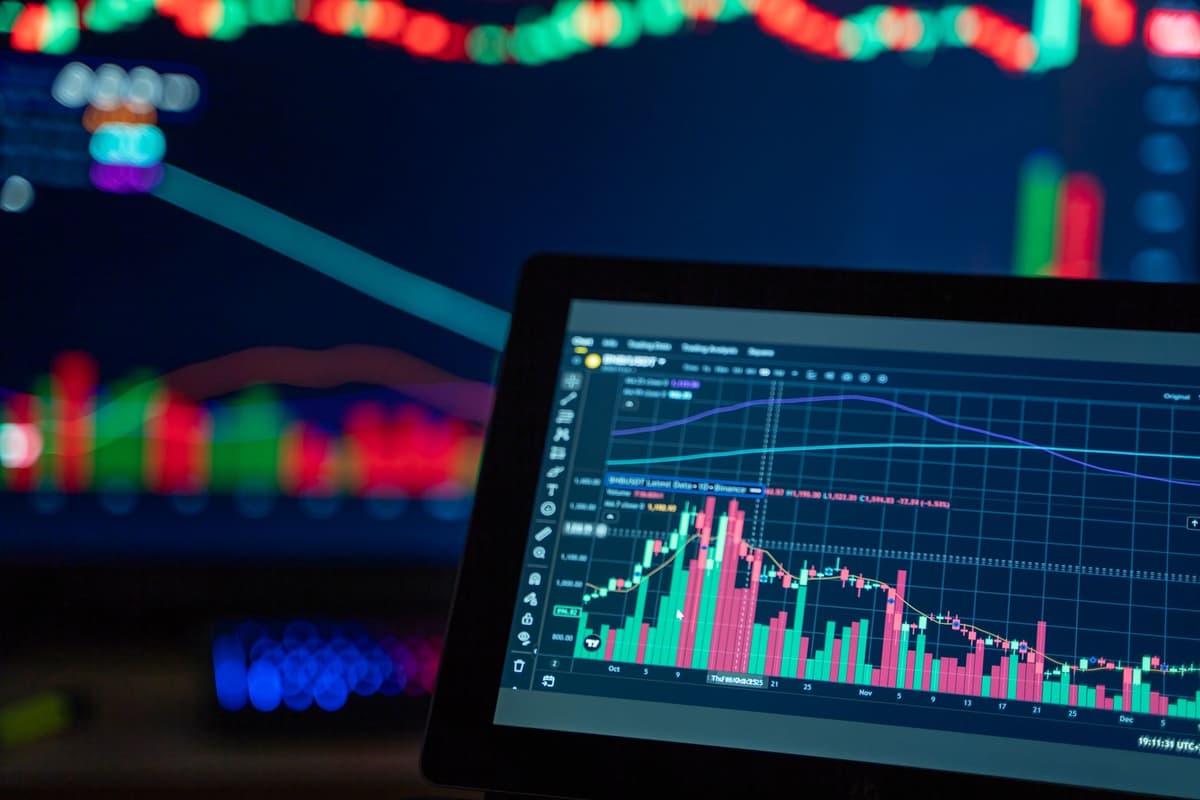
Logging every trade reduces panic by transforming chaotic price action into a structured dataset, allowing market participants to decouple their emotional state from their execution strategy. By documenting the 'why' behind every entry and exit, you create an objective mirror that prevents impulsive decision-making during high-volatility cycles on the Solana blockchain.
The Psychology of the 2026 Solana Landscape
In the current climate of 2026, the memecoin space has evolved into a high-speed environment where liquidity shifts rapidly and rug-pull cycles follow predictable patterns. When a token price swings, the visceral reaction is often to panic-sell or chase a green candle. This emotional response is the primary cause of portfolio depletion.
I have learned through my own significant losses that my most expensive mistakes occurred when I traded without a record. When you do not log your activity, you are essentially flying blind. You are reacting to the market's noise rather than acting on your own hypothesis. By documenting every move, you force your brain to slow down, shifting from the amygdala-driven 'fight or flight' response to the prefrontal cortex where logic and risk management reside.
Why Transparency is Your Only Edge
Transparency is the antidote to uncertainty. When you look back at your logs, you stop seeing 'bad luck' or 'market manipulation' and start seeing patterns. Perhaps you consistently exit too early when a coin hits a specific resistance level, or maybe you find that your losses are concentrated in trades made during the late-night hours when you are fatigued.
This data-driven approach removes the shame associated with losing trades. A loss is no longer a failure of character; it is a data point. If you treat your activity as a clinical study of market behavior, the panic naturally dissipates because you are too focused on the process to worry about the immediate outcome.

The Anatomy of a High-Quality Journal Entry
To effectively reduce panic, your log must capture more than just the price. It must capture the state of your mind at the moment of the trade.
1. The Thesis
Write down exactly why you are entering. Is this based on a specific liquidity trend or a pattern you have observed in recent Solana launch cycles? If you cannot articulate the 'why' in one sentence, you are likely gambling, not investing.
2. The Emotional Baseline
Before clicking buy, rate your emotional state from 1 to 10. Are you anxious? Are you feeling FOMO? If your anxiety level is above a 5, walk away from the terminal. Emotional instability is a leading indicator of a sub-optimal trade.
3. The Exit Rule
Define your exit before the trade starts. Will you exit at a fixed percentage gain, or will you set a stop-loss based on a technical support level? Knowing exactly where you get out eliminates the need to make a decision while the market is moving against you.
4. The Post-Trade Lesson
Even if you made a profit, document what you learned. Did the market behave as expected? Did you hesitate? This section turns every trade into a cumulative learning experience that builds long-term competence.
FAQ
How does journaling stop me from panic selling during a sudden price drop?
By having a pre-defined exit strategy documented in your log, you remove the need for real-time decision-making during volatility. When the price hits your pre-set level, you execute the plan you created when you were calm, rather than reacting to the fear of the moment.
Is it worth logging small trades in high-volatility environments?
Yes. In fact, it is most important for small trades. These small, frequent movements are where you develop your habits. If you cannot maintain the discipline to log small trades, you will certainly fail to maintain it when the stakes—and the potential for panic—are significantly higher.
A Note on Risk
Trading memecoins is inherently speculative and carries a high risk of total capital loss. Market volatility in 2026 is influenced by factors ranging from interest rate expectations to liquidity shifts, none of which are within your control. The strategies discussed here are for educational purposes to help you manage your own behavior and risk. Never trade money you cannot afford to lose, and always prioritize the preservation of your capital over the pursuit of quick gains. There is no substitute for personal due diligence and a sober assessment of your own risk tolerance.
Related posts in Memecoin Market Analysis
- Memecoin Market Analysis
Shiba Inu Trends 2026: Navigating Consolidation and Market Sentiment
Analyze Shiba Inu trends in 2026. Learn how to track institutional signals, manage emotional volatility, and refine your memecoin trading journal process.
Memelogs
- Memecoin Market Analysis
Dogecoin Market Analysis: Navigating DOGE Price Volatility in 2026
Analyzing the Dogecoin landscape in 2026. Explore emotional discipline, price volatility, and practical journaling habits for memecoin market participants.
Memelogs
- Memecoin Market Analysis
Solana Memecoin Losses in 2026: A Post-Mortem Journaling Guide
Lost money on Solana memecoins in 2026? Learn how to analyze your trading process through a structured post-mortem to identify behavioral and market gaps.
Memelogs