
How Revenge Trading Destroyed a Capital: A 2026 Journal Breakdown
Discover how emotional trading and revenge cycles devastated portfolios in 2026. Learn how to build a disciplined journaling habit to protect your capital.

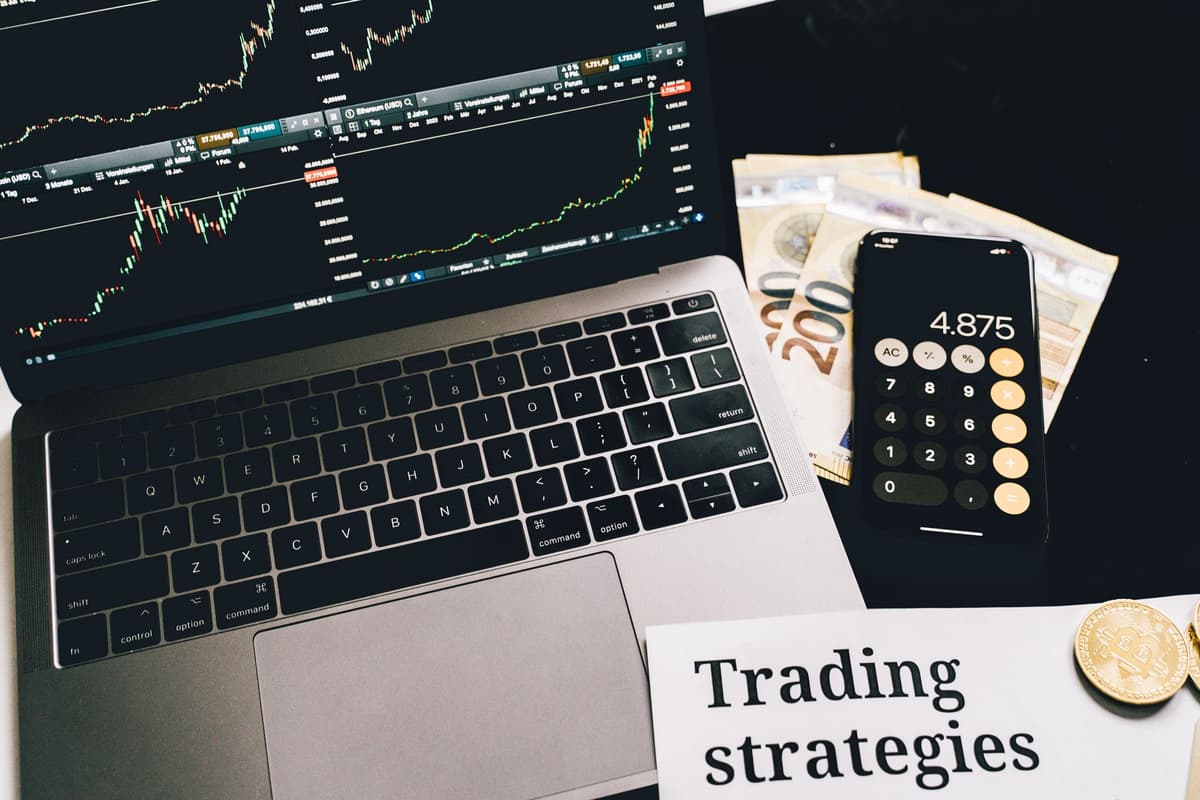
Revenge trading is the act of aggressively increasing position sizes or frequency after a loss to recover capital instantly, which often leads to total portfolio collapse in volatile markets. By documenting the emotional state, thesis, and exit rules before and after every move, market participants can interrupt this psychological loop and preserve their long-term viability.
The Psychology of the Spiral
In 2026, the Solana ecosystem has transformed into a high-speed arena where sophisticated AI agents and early-wallet insiders dominate the landscape. When a retail participant experiences a significant drawdown, the immediate impulse is to "make it back" as quickly as possible. This is where the trap is set.
Revenge trading is not a strategic choice; it is a physiological response. When you lose capital, your brain often shifts from analytical decision-making to a fight-or-flight state. You stop looking at market fundamentals or the actual utility of the tokens you are interacting with. Instead, you start viewing the market as a personal adversary that owes you a recovery. This mindset shift is precisely what professional participants rely on to extract liquidity from the retail crowd.
Anatomy of a Failed Journal
Looking back at my own logs from early 2026, the breakdown of my capital was not caused by a lack of access to tools or a lack of market information. It was caused by a total abandonment of my documented process. When I was winning, I followed my rules. When I lost, I stopped writing in my journal entirely. That silence in the journal is the clearest indicator of an impending blow-up.
The Journaling Checklist
To combat this, your journal must be more than a record of wins and losses. It should be a diagnostic tool. Every entry should include these five essential fields:
- Thesis: Why am I entering this position right now?
- Expected Risk: What is the exact dollar amount I am comfortable losing on this trade?
- Emotional State: Am I calm, or am I feeling pressured to recover previous losses?
- Exit Plan: What is the specific trigger for taking profit or cutting the loss?
- Post-Trade Review: Did I follow the plan, or did I deviate based on emotion?
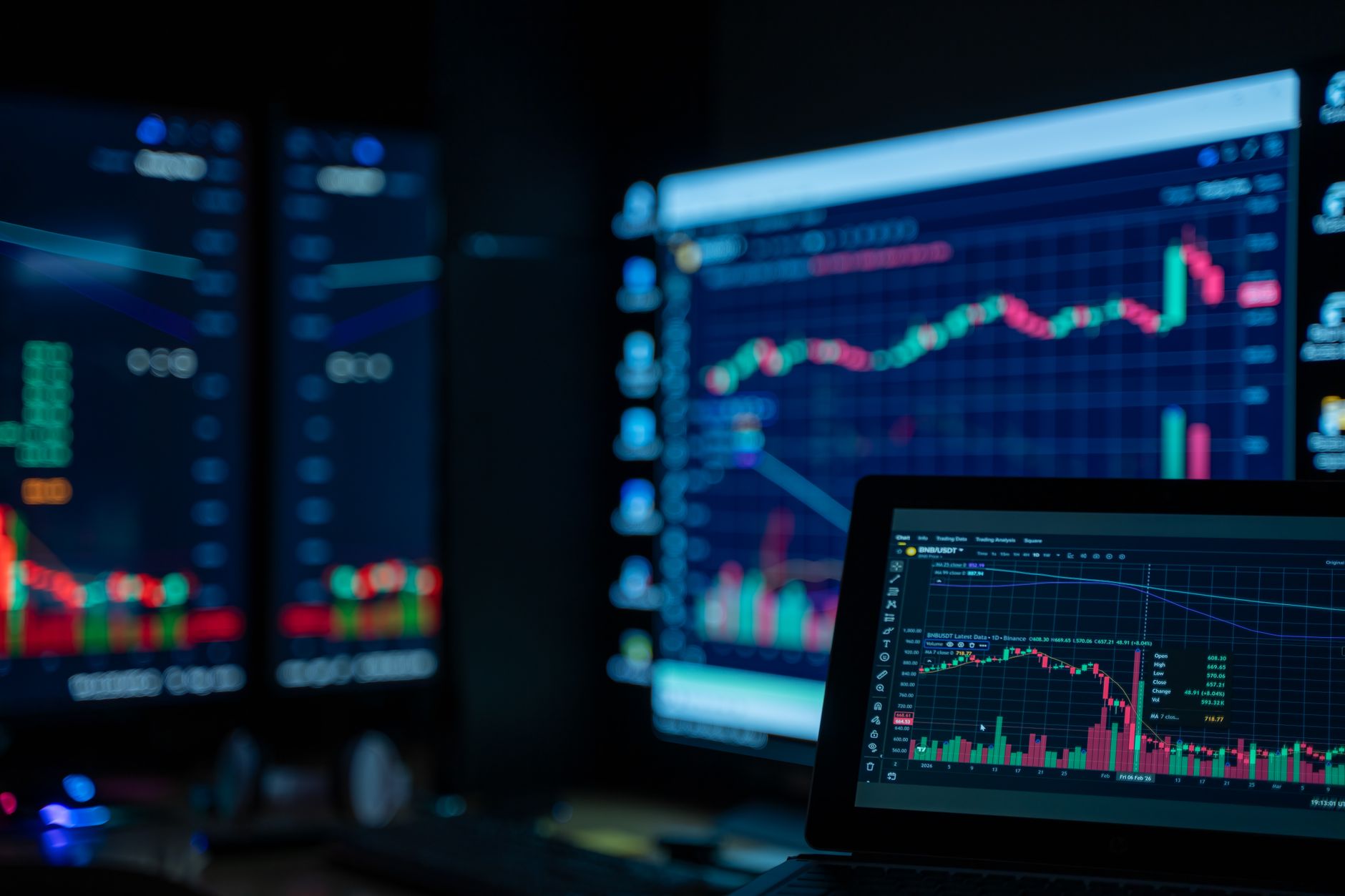
1. Pre-Trade Validation
Before hitting the execution button, force yourself to write down your thesis. If you cannot articulate why a token has value beyond a simple price pump, you are gambling, not participating in the market.
2. The Emotional Check-in
If your emotional state field says "frustrated," "angry," or "desperate," your only logical move is to step away from the terminal. No trade is worth the risk when your decision-making capacity is compromised by the need to avenge a previous loss.
3. Defining the Exit
Never enter a trade without an exit rule. In the high-velocity environment of 2026, waiting for a "feeling" to exit is a recipe for disaster. If the price action invalidates your thesis, you must be out before your emotions take control.
FAQ
Is it possible to recover from a major loss by trading faster?
No. Speed in the current market environment is a tool for execution, not a strategy for recovery. Attempting to trade faster to recoup losses usually leads to higher transaction costs and poor decision-making that compounds the initial damage.
How does the 2026 market environment differ for retail participants?
With the rise of automated agents and deep-seated community loyalty, the market has become more efficient at punishing emotional errors. Retail participants are now competing against automated systems that do not suffer from fatigue or the desire for revenge, making discipline more critical than ever.
Risk Disclaimer
This content is for educational purposes only and does not constitute financial advice. Trading in the cryptocurrency market involves extreme risk, and the total loss of capital is possible. The market is highly volatile, and past performance is never an indicator of future results. Always conduct your own research and never trade with money you cannot afford to lose.
Related posts in Memecoin Market Analysis
- Memecoin Market Analysis
Solana Memecoin Trading: Building Your 2026 Pre-Trade Checklist
Master memecoin safety on Solana with a disciplined pre-trade checklist. Learn to spot rugs, verify contracts, and manage emotions for better market outcomes.
Memelogs
- Memecoin Market Analysis
Memecoin Loss Post-Mortem: Why My Journal Was My Only Saving Grace in 2026
When the 2026 memecoin market crashed, my trade journal revealed the hard truth. Learn how to audit your losses and improve your process with this guide.
Memelogs
- Memecoin Market Analysis
Memecoin Trading Wins: Why Success is the Most Dangerous Phase in 2026
A win in the memecoin market often breeds overconfidence. Learn how to journal your success to avoid catastrophic losses and maintain long-term discipline.