
Memecoin Trading: The Difference Between a Plan and an Exit 2026 Narrative
Distinguish between a strategic trading plan and a post-exit narrative. Learn how to journal effectively to survive the volatility of the 2026 Solana market.

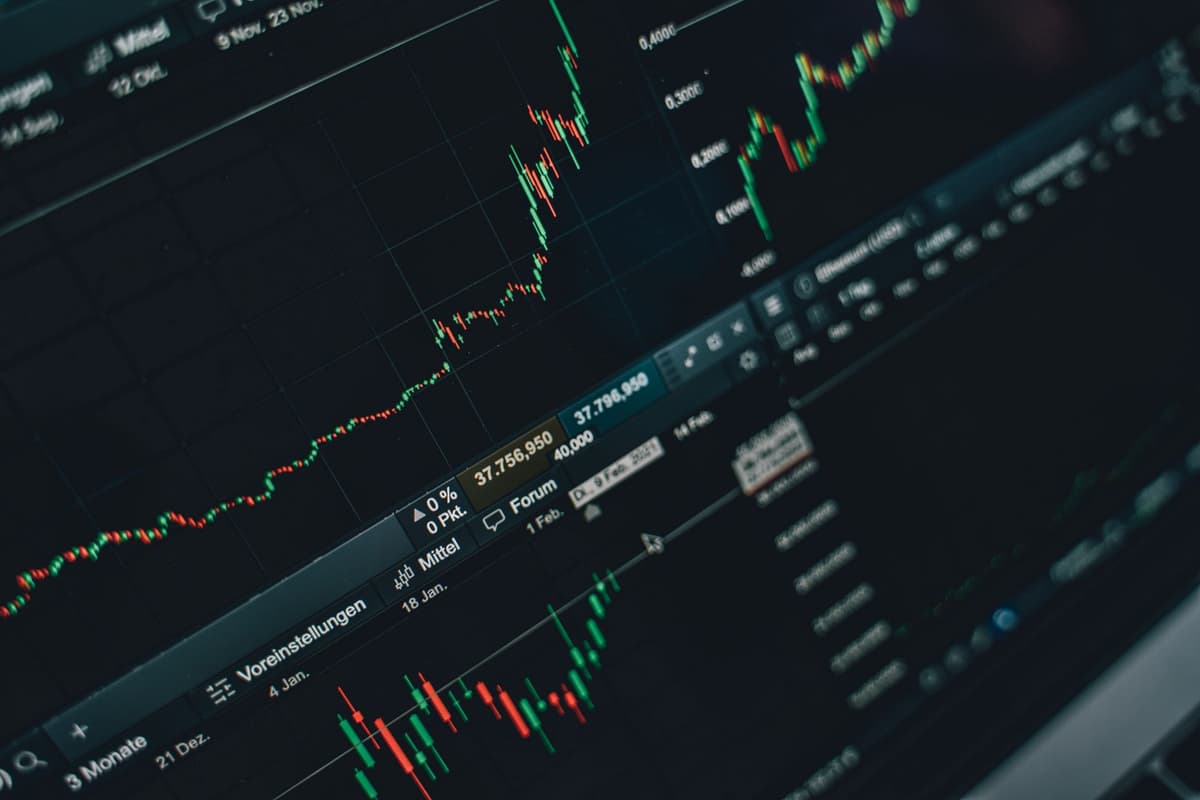
A plan is a documented set of objective criteria established before entering a position, while a story is the retrospective, often emotional narrative constructed to justify an outcome after an exit. By strictly separating these two through rigorous journaling, market participants can mitigate the psychological bias that leads to repeating past mistakes during market cycles.
The Anatomy of a Market Narrative
In the current landscape of 2026, Solana has evolved into a high-speed engine for cultural financialization. We have seen the ecosystem move from simple memetic experiments to complex economies driven by AI agents and deep-seated community loyalty. Yet, the market crash that defined mid-2026 served as a brutal reminder: liquidity, sentiment, and timing are the only true drivers of price.
When we look back at an exit, it is human nature to weave a story. We tell ourselves we saw the signs, that we knew the rug pull was coming, or that we held because of a deep belief in the community. This is the story. It is a defense mechanism designed to protect our ego from the reality that we often trade on impulse rather than strategy.
Why Your Plan Needs to Precede Your Emotions
A plan is cold, static, and written in advance. It exists in the "Before" phase. If you are writing your rules after the transaction is settled, you are not refining a strategy; you are editing your history to feel better about your decisions. To trade with a long-term perspective, you must decouple the event from the explanation.
Practical Journaling Template
To master this separation, maintain a simple ledger that separates objective data from subjective reflection. Do not document your entries and exits to copy them; document them to understand your decision-making process.
- Date and Time: The exact moment of execution.
- Thesis: What was the specific catalyst (e.g., liquidity shift, AI agent signal, community volume)?
- Pre-defined Exit Rule: What was the objective trigger for profit or loss before entering?
- Actual Outcome: The final result of the position.
- The Story: A brief note on what you feel about the outcome now (this is where you purge the narrative).
- The Lesson: A cold, actionable adjustment based on the data, not the emotion.
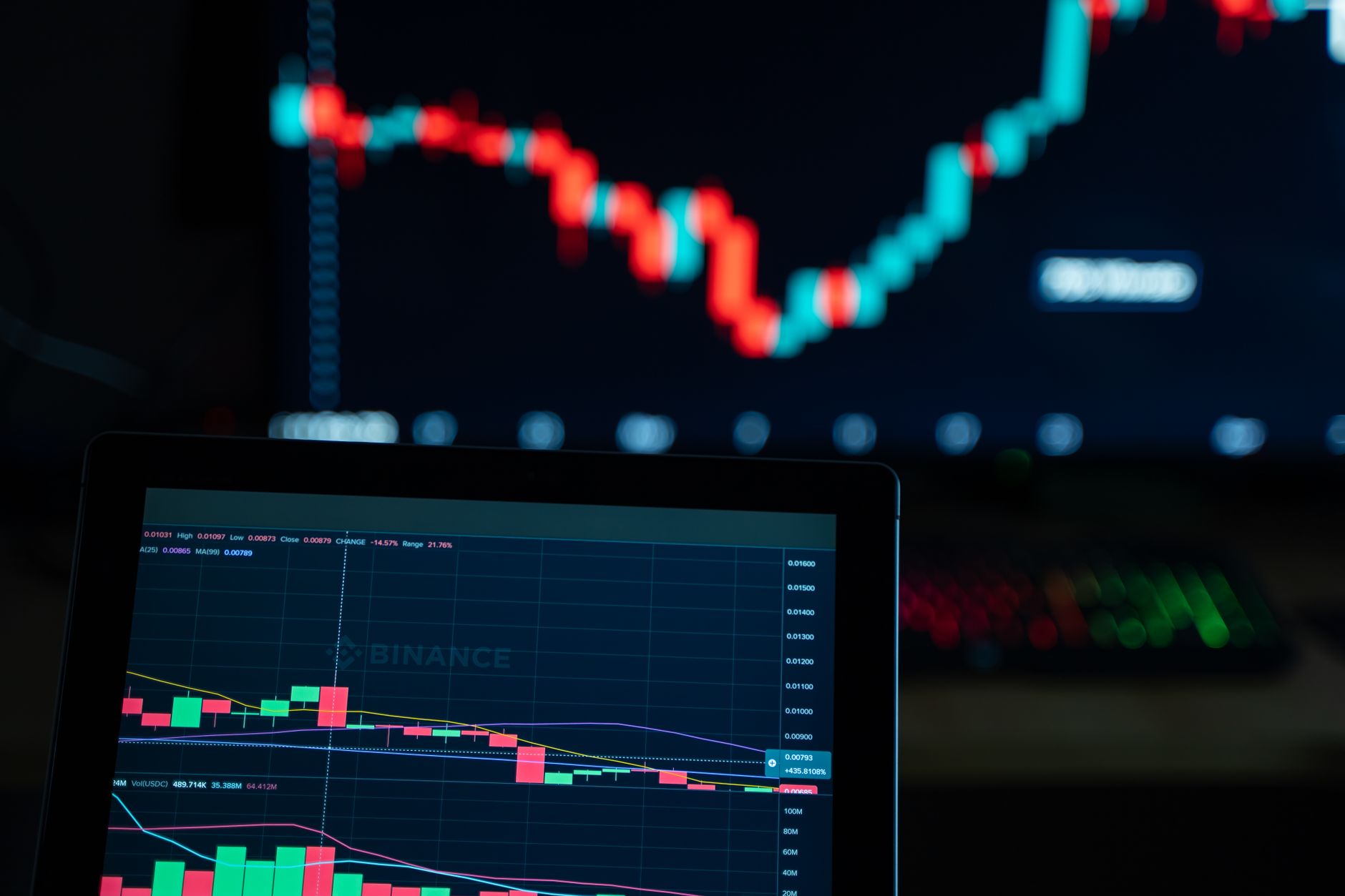
1. Define your exit criteria before the trade is placed
2. Record the rationale for the trade while the market is live
3. Wait 24 hours before filling in the 'Lesson' section to reduce emotional bias
The Trap of Retrospective Justification
After a volatility event, it is tempting to look at the 2026 market data and claim you predicted the downturn. This is the "storytelling" trap. If you find yourself frequently saying, "I knew this would happen," stop. If you knew it would happen, why was your position size not adjusted? Why were your stop-loss orders not triggered? The gap between what you claim you knew and what you actually did is the exact size of your behavioral weakness.
FAQ
How do I distinguish between a valid trading plan and a post-trade rationalization?
A trading plan exists entirely before the market execution and contains specific, falsifiable criteria for entry and exit. A post-trade rationalization, or story, is created after the financial result is known and usually serves to explain away losses or inflate the perceived brilliance of a win.
What role does emotion play in the 2026 Solana market environment?
Emotions often trigger over-leveraging during periods of high liquidity and panic-selling during market contractions. By documenting your emotional state in a journal, you create a feedback loop that allows you to identify which market conditions trigger your specific psychological biases, eventually allowing you to neutralize them.
Risk Awareness Disclaimer
Trading in the memecoin market involves extreme volatility and the risk of total capital loss. The information provided here is for educational purposes only and does not constitute financial advice. Market participants should conduct their own research and never invest more than they can afford to lose. Past performance of the Solana ecosystem or specific digital assets does not guarantee future results.
Related posts in Memecoin Market Analysis
- Memecoin Market Analysis
The Anatomy of a Portfolio Collapse: How Revenge Trading Destroyed My 2026 Strategy
Discover how revenge trading patterns eroded a Solana memecoin portfolio in 2026. Learn to build a disciplined journaling habit to protect your capital.
Memelogs
- Memecoin Market Analysis
Building a Pre-Trade Checklist for Solana Memecoin Setups in 2026
Master memecoin risk on Solana with a disciplined pre-trade checklist. Learn to vet contracts, manage emotions, and refine your process for 2026 markets.
Memelogs
- Memecoin Market Analysis
Why Logging Every Trade Reduces FOMO in the 2026 Memecoin Market
Discover how a rigorous trade logging habit helps market participants overcome FOMO, refine their strategy, and stay objective in volatile crypto markets.