
Revenge Trading and the Destruction of a Portfolio: A 2026 Post-Mortem
Discover how revenge trading erodes memecoin portfolios on Solana. Learn to identify emotional triggers and implement a disciplined journaling system today.

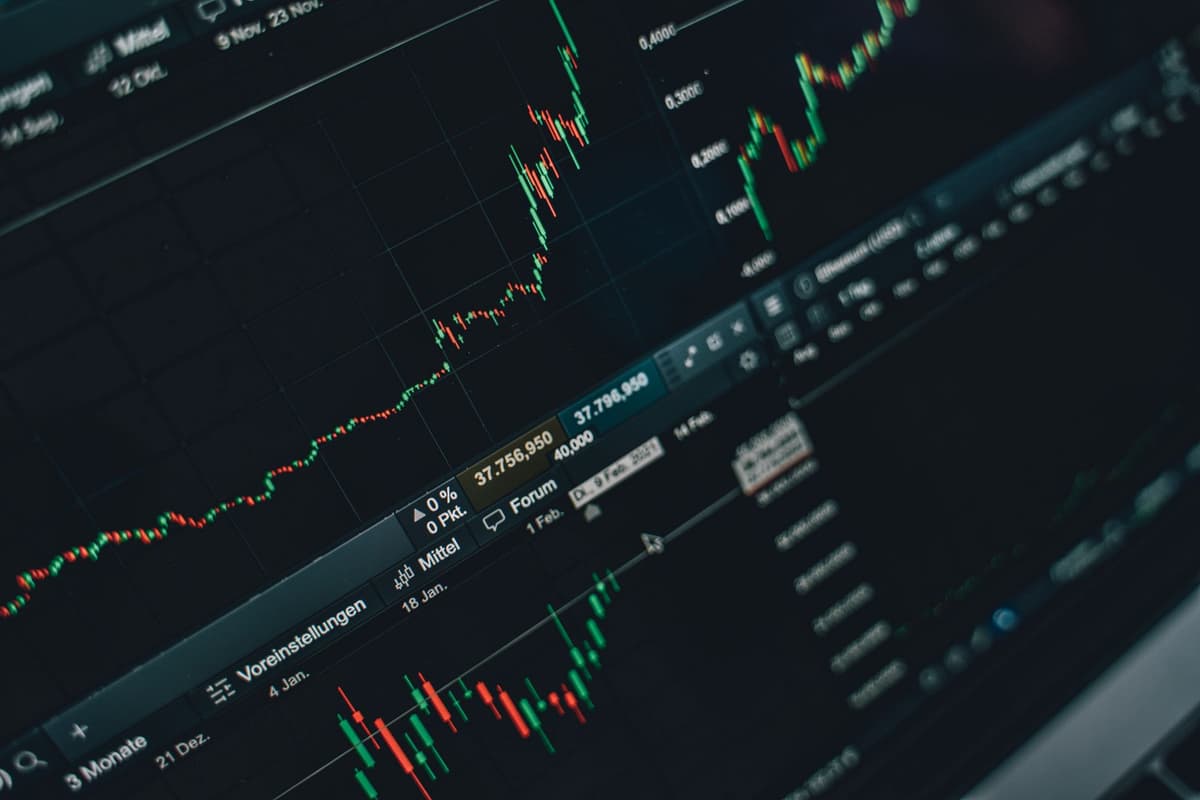
Revenge trading is the impulsive act of increasing position sizes or frequency after a loss in a desperate attempt to recoup capital quickly. It inevitably leads to portfolio destruction by overriding strategic analysis with emotional desperation, often resulting in total capital depletion within the volatile memecoin ecosystem.
The Psychology of the Spiral
In the current 2026 landscape, the memecoin market on Solana has seen massive activity, with some platforms recording over one billion dollars in daily volume. This hyper-speed environment creates a dangerous illusion: that money can be made back as quickly as it was lost. When a participant suffers a loss—perhaps from a sudden rug pull or a failed entry—the brain often triggers a fight-or-flight response. Instead of stepping back, the participant enters a state of 'revenge mode.'
This behavior is not about market inefficiency; it is about cognitive failure. You stop looking for high-probability setups and start looking for any trade that offers a chance to return to your previous balance. In this state, risk management is abandoned, stop-losses are ignored, and you become the exit liquidity for more disciplined market participants.
FAQ
Why does revenge trading specifically target memecoin participants?
The high volatility and the prevalence of rug pulls on Solana create a constant cycle of small wins and sudden losses. This unpredictability keeps the mind in a heightened emotional state, making it far easier to abandon a rational process when a drawdown occurs.
Is there a way to stop the cycle once it begins?
The only effective way to stop the cycle is a mandatory 'circuit breaker' policy. This involves physically closing all trading tabs and stepping away from the screen for a minimum of 24 hours immediately after a predetermined loss threshold is hit.
The Anatomy of a Journaling System
To survive, you must separate your personality from your process. A journal is not just a log of wins and losses; it is a clinical observation of your own decision-making. If you are not logging your emotional state, you are not journaling.

1. Thesis
Write down exactly why you are entering the trade before you click buy. If you cannot explain the logic in two sentences, you are gambling, not trading.
2. Size
Define your position size based on your total available capital, not your desire for a quick recovery. Never deviate from this percentage, regardless of how 'sure' you feel about a token.
3. Emotion
Be honest about how you feel. Are you bored? Are you angry about a previous loss? Are you feeling 'FOMO' because of a social media signal? If the emotion is anything other than calm, do not execute.
4. Exit Rule
Define your exit criteria before entry. This includes both your take-profit target and your hard stop-loss. Once the trade is live, your only job is to execute the plan you wrote down.
5. Outcome
Record the result without judgment. Did it hit the target, or did you panic sell? A loss that follows the plan is a successful trade because it proves you have control over your actions.
6. Lesson
Identify the specific behavior that needs adjustment. Was the entry too early? Did you chase a pump? This field is the most important part of your development.
Risk Awareness and Market Reality
Trading memecoins involves extreme risk. Thousands of tokens are rugged or abandoned within days of their creation. There is no strategy that can protect you from the inherent volatility of this asset class, and you should never allocate capital that you cannot afford to lose entirely. The market is designed to reward those who remain objective and punish those who allow emotions to dictate their position sizing. Your goal is not to win every trade, but to ensure that one bad day does not end your ability to participate in the market tomorrow. Stay disciplined, keep your logs, and recognize that the most successful market participants are those who know when to walk away.
Related posts in Memecoin Market Analysis
- Memecoin Market Analysis
Solana Seeker Review 2026: Evaluating Crypto Hardware for Memecoin Strategy
Is the Solana Seeker worth the investment for memecoin participants in 2026? We analyze the hardware performance, ecosystem utility, and journaling habits.
Memelogs
- Memecoin Market Analysis
On-Chain Tracking Guide: Mastering Sol Scanner for Solana Analysis 2026
Master Sol Scanner for Solana analysis in 2026. Learn to verify contract security, assess liquidity, and track smart money to refine your memecoin process.
Memelogs
- Memecoin Market Analysis
Navigating the 2026 Crypto Landscape: BTC, ETH, and Market Sentiment Analysis
Explore the 2026 outlook for Bitcoin and Ethereum. Learn how to journal your market observations and manage risk in a volatile, evolving crypto environment.